 Image 1 of 1
About the author
Mary Wollstonecraft Shelley (1797 – 1851) was an English novelist, short story writer, dramatist, essayist, biographer, and travel writer, best known for her Gothic novel Frankenstein: or, The Modern Prometheus (1818). She also edited the works of her husband, the Romantic poet and philosopher Percy Bysshe Shelley. Her father was the political philosopher William Godwin, and her mother was the philosopher and feminist Mary Wollstonecraft. In 1816, the couple famously spent a summer with Lord Byron, John William Polidori, and Claire Clairmont near Geneva, Switzerland, where Mary conceived the idea for her novel Frankenstein. Her novels include Valperga (1823), Perkin Warbeck (1830), The Last Man (1826), Lodore (1835), and Falkner (1837).
About the introducer
Francine Prose is the author of twenty works of fiction. Her novel A Changed Man won the Dayton Literary Peace Prize, and Blue Angel was a finalist for the National Book Award. Her most recent works of nonfiction include the highly acclaimed Anne Frank: The Book, The Life, The Afterlife, and the New York Times bestseller Reading Like a Writer. The recipient of numerous grants and honors, including a Guggenheim and a Fulbright, a Director's Fellow at the Dorothy and Lewis B. Cullman Center for Scholars and Writers at the New York Public Library, Prose is a former president of PEN American Center, and a member of the American Academy of Arts and Letters and the American Academy of Arts and Sciences. Her most recent book is Lovers at the Chameleon Club, Paris 1932. She lives in New York City.
About the illustrator
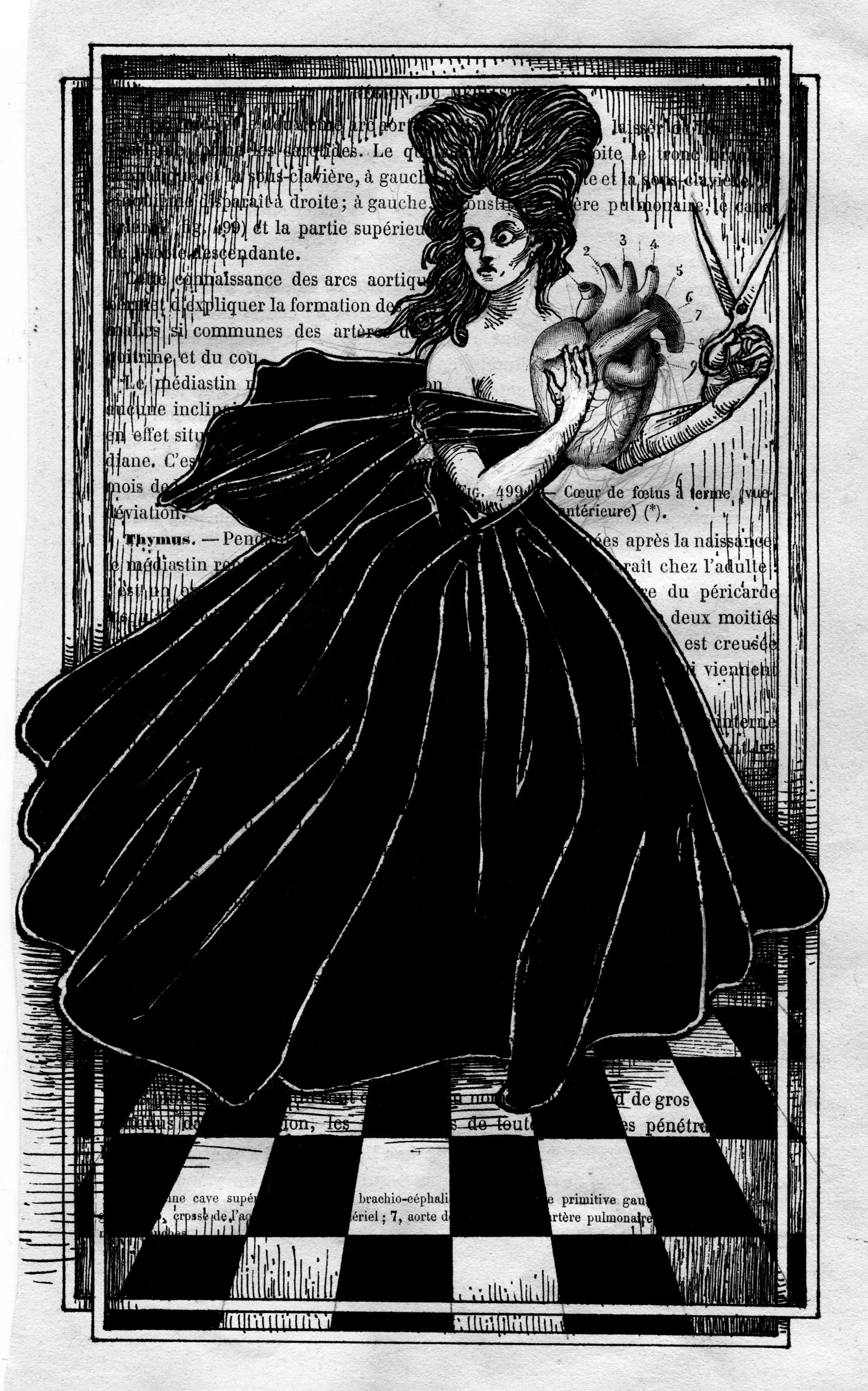
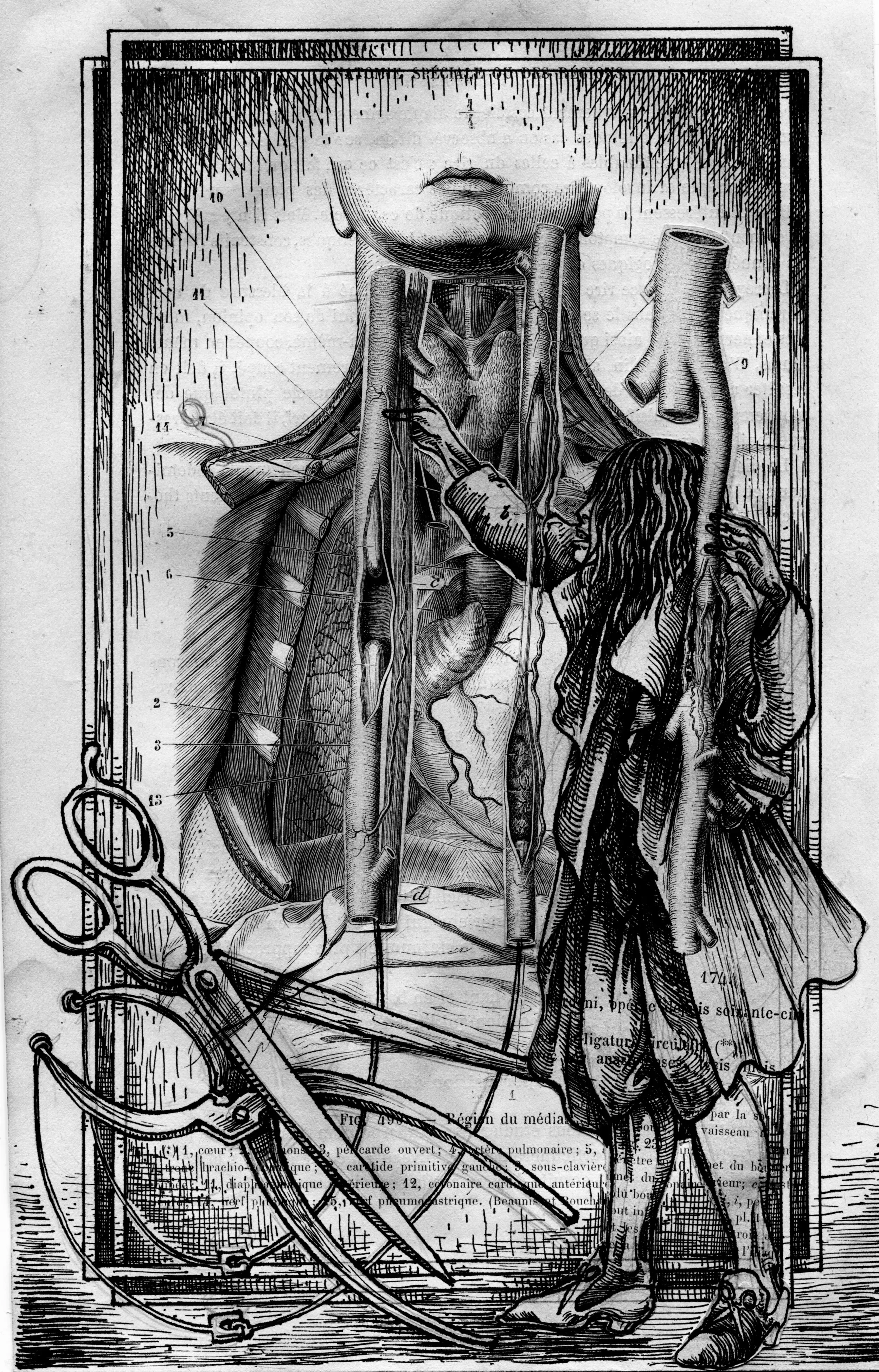
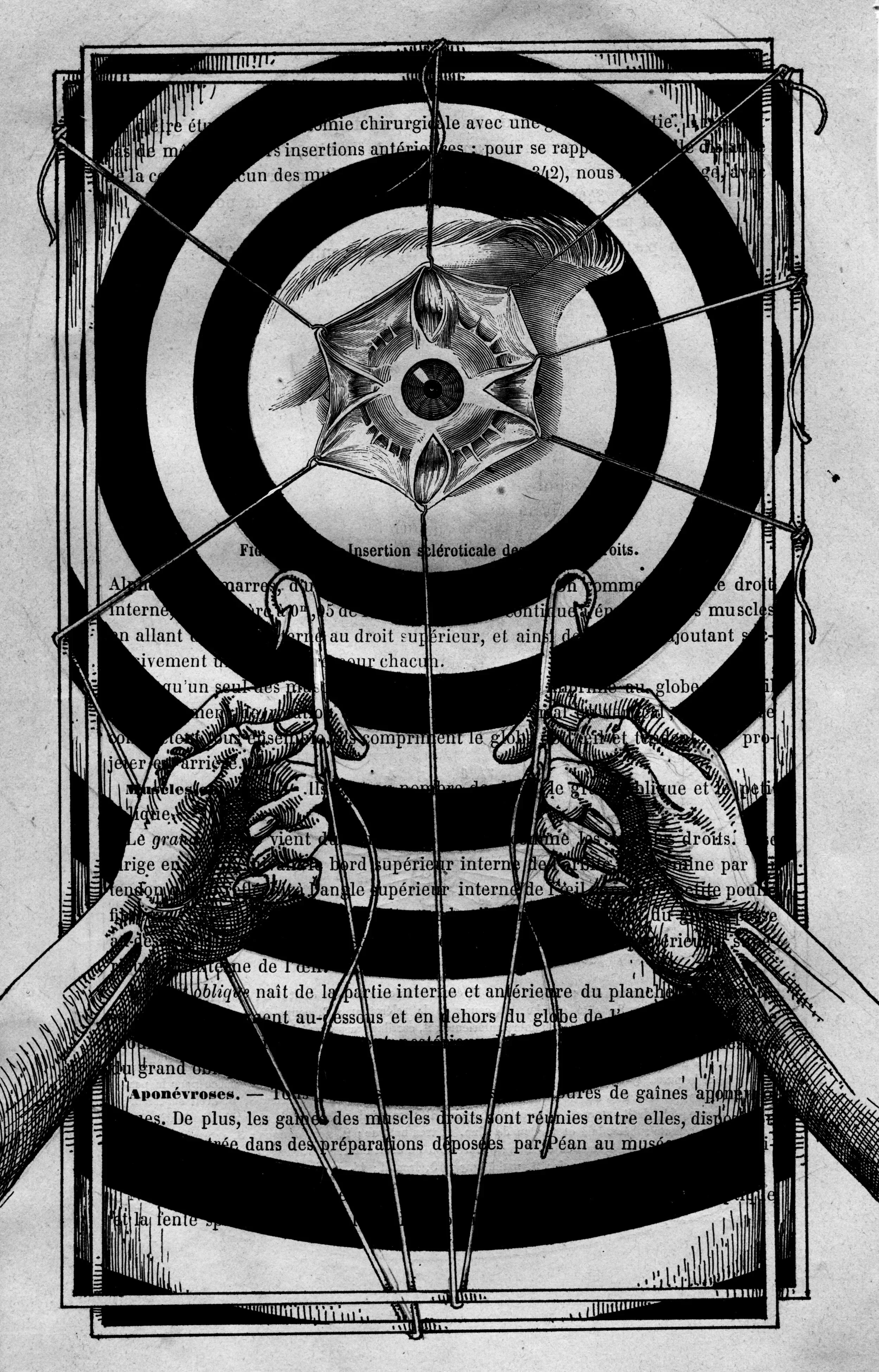
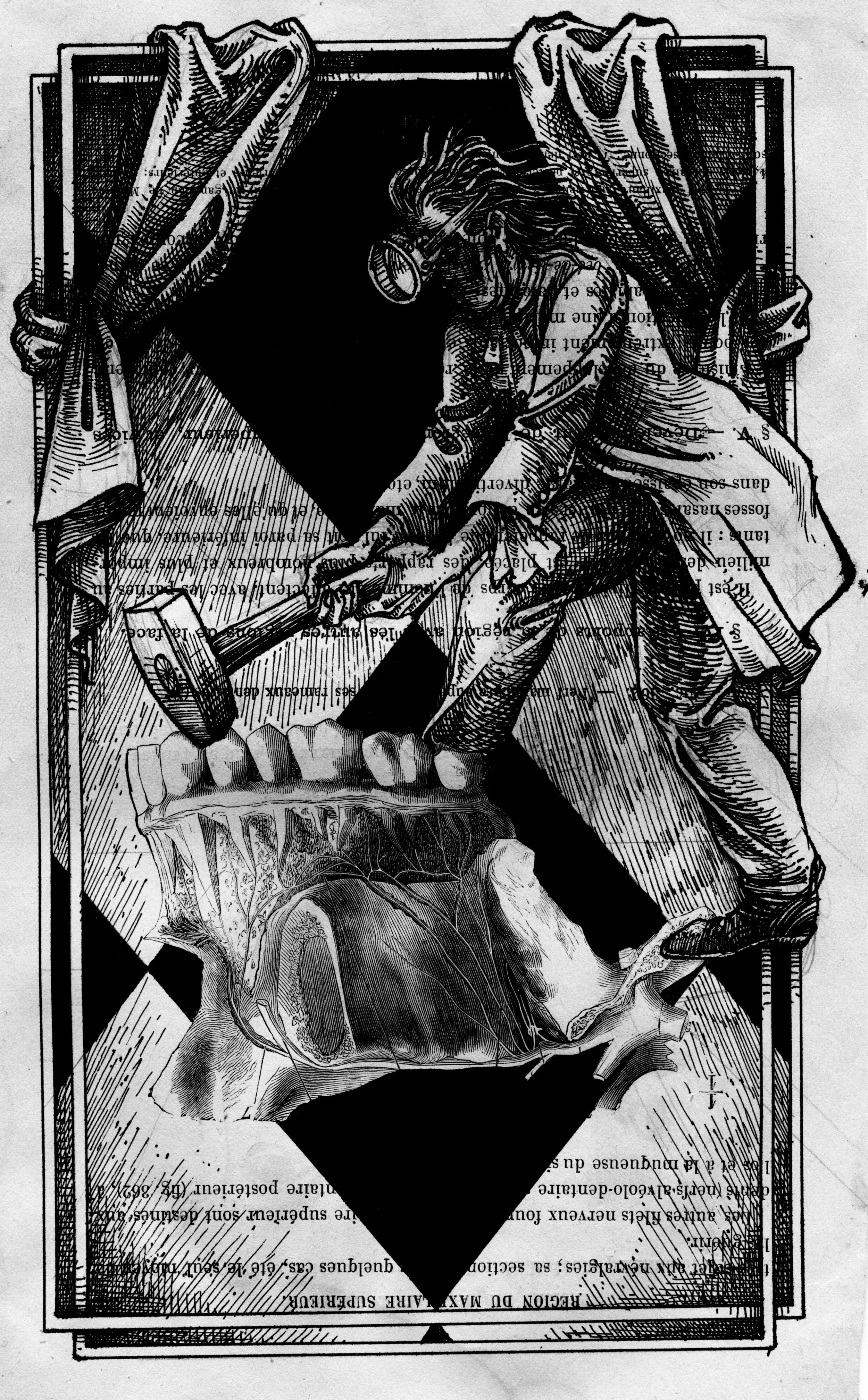
Born in Mexico in 1958, Eko is an engraver and painter. His wood etchings, often erotic in nature and the focus of controversial discussion, are part of a broader tradition in Mexican folk art popularized by José Guadalupe Posada. He has collaborated on projects for The New York Times, the Frankfurter Allgemeine Zeitung, and the Spanish daily El País, in addition to having published numerous books in Mexico and Spain.
About the video lecturer
Wendy Steiner is the Richard L. Fisher Professor of English at the University of Pennsylvania, past Chair of the Penn English Department, and Founding Director of the Penn Humanities Forum. Among her books on modern literature and visual art are The Real Real Thing: The Model in the Mirror of Art (2010); Venus in Exile: The Rejection of Beauty in Twentieth-Century Art (2001); and The Scandal of Pleasure: Art in an Age of Fundamentalism (listed among "New York Times 100 Best Books of 1996"). Her cultural criticism has appeared widely in U.S. and U.K. papers and her honors include Guggenheim and ACLS fellowships. Most recently, Steiner has turned to multimedia opera, as librettist and producer/director of The Loathly Lady (2009; composer Paul Richards; artist John Kindness) and Biennale (composer Richards; artist Andrew Lucia; in development).
Book Details
Deluxe Paperback: $19.99
ISBN: 9781632060785
eBook ISBN: 9781632060792
Publication date: June 14, 2016
5.5” x 8.25” • 288 pages
Territory: World English
Restless Classics
We all have “the list”: those classic books that we have the best intentions of reading, but which, after graduating from school, become less urgent priorities. We've set out to address this problem with Restless Classics—a series of beautifully packaged, newly introduced and illustrated great books from the past that still speak to our time, our place, and, especially, our restlessness. In addition to their original artwork and fresh introductions, various Restless Classics are accompanied by online explanatory videos you can access on this site.
Praise
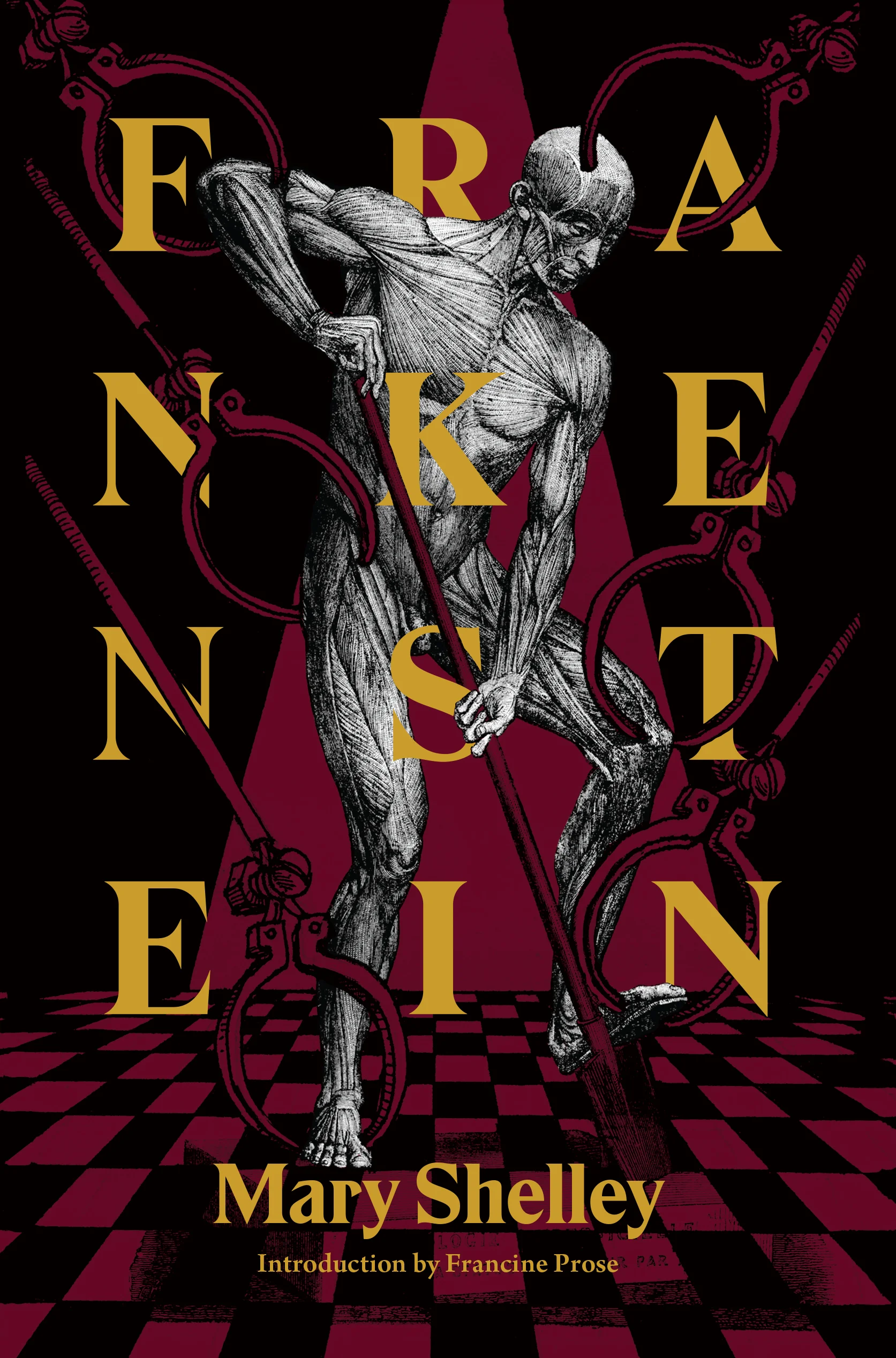
“Stunning original artwork by acclaimed Mexican artist Eko…. In her insightful introduction, Prose paves the way into the depths of Mary Shelley’s original horror story, by recreating the journey which led to the birth of one of history’s greatest monsters…. The new anniversary edition of Frankenstein is a beautiful example of remaking a novel for the 21st century. While remaining true to the spirit of Frankenstein, this new edition strives to introduce the novel to a general audience, with an intriguing new introduction, and stunning artworks that look as though they may have been torn from the dormitory walls of the true Victor Frankenstein.”
—Jade Fell, Engineering & Technology Magazine
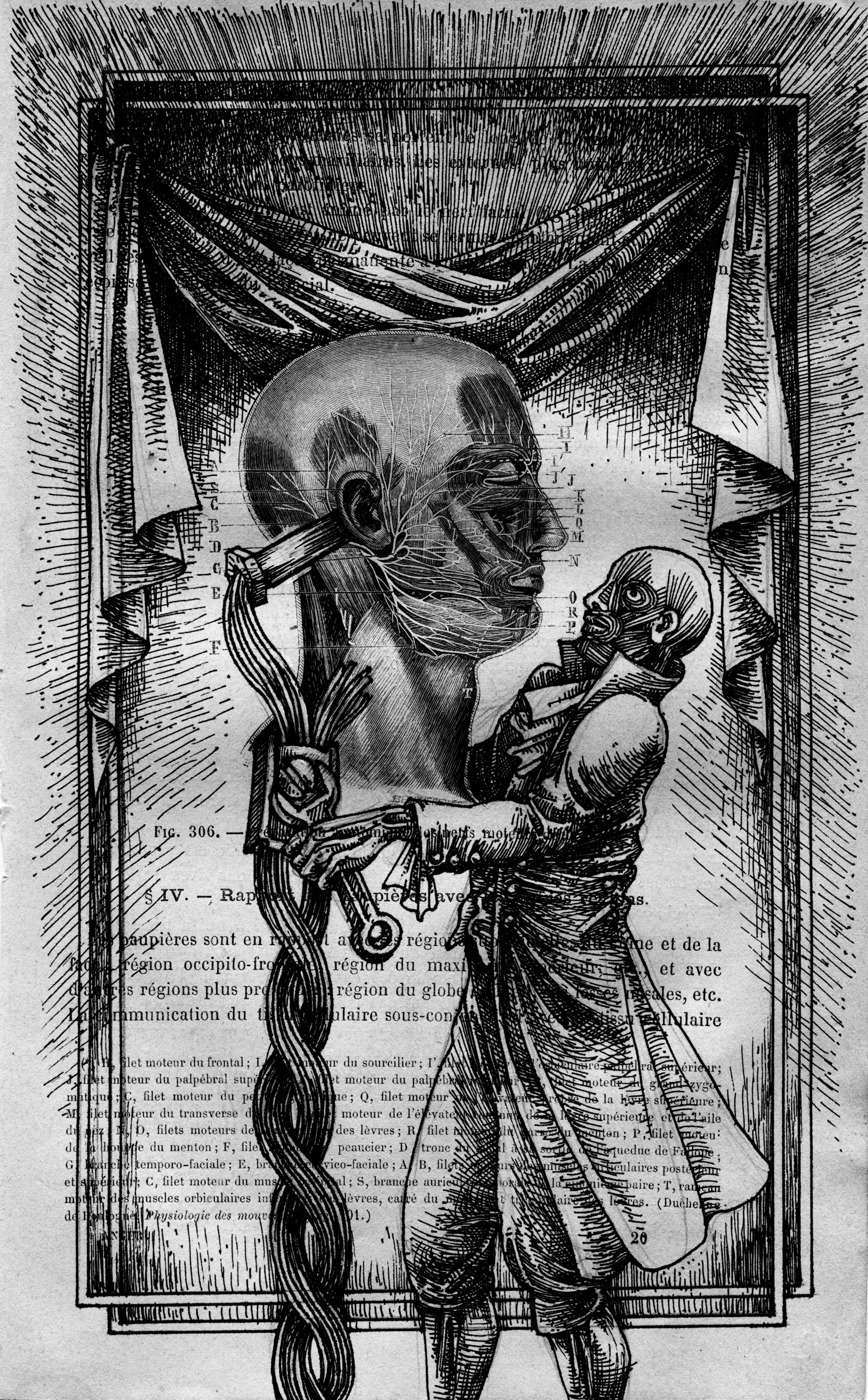
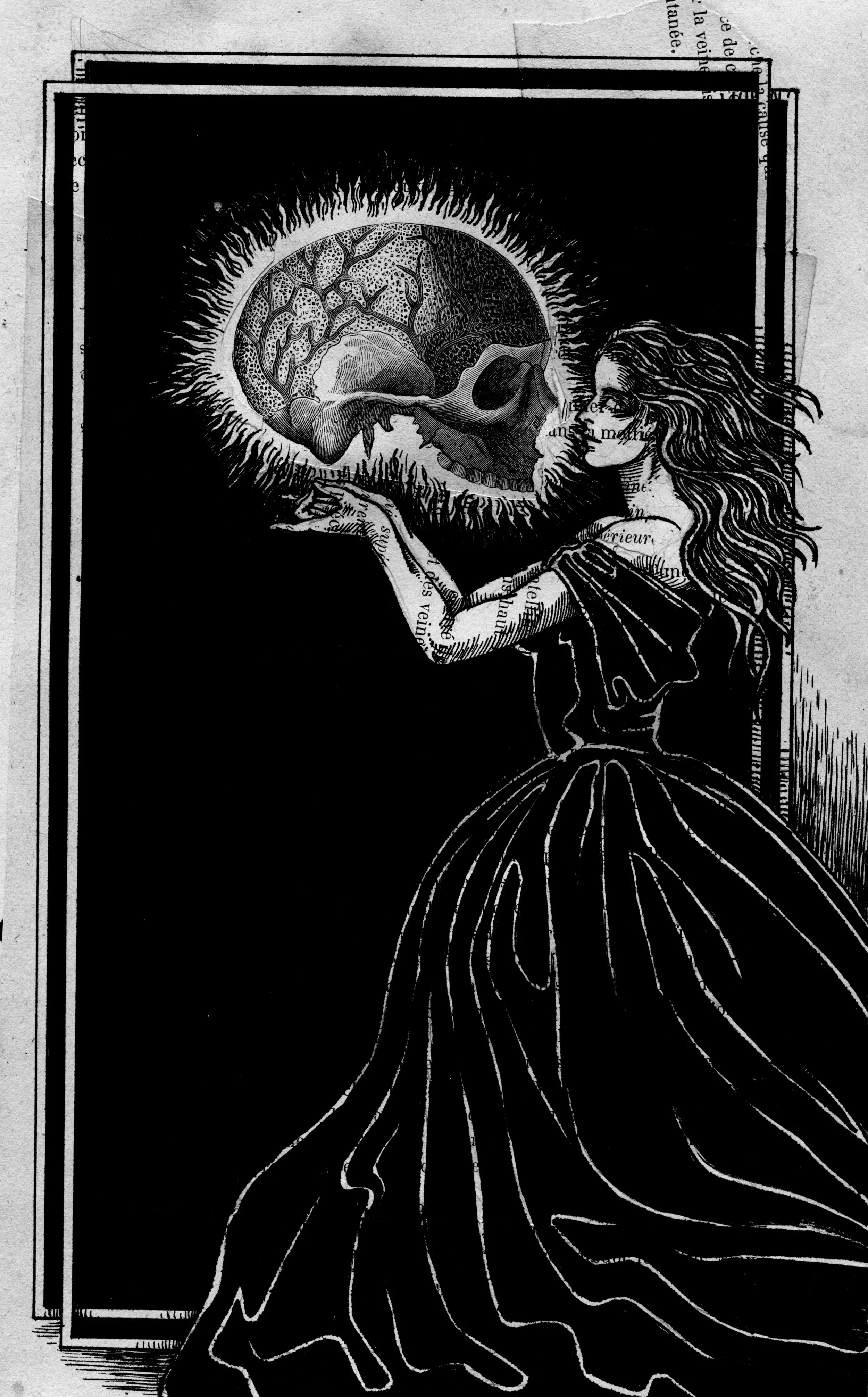
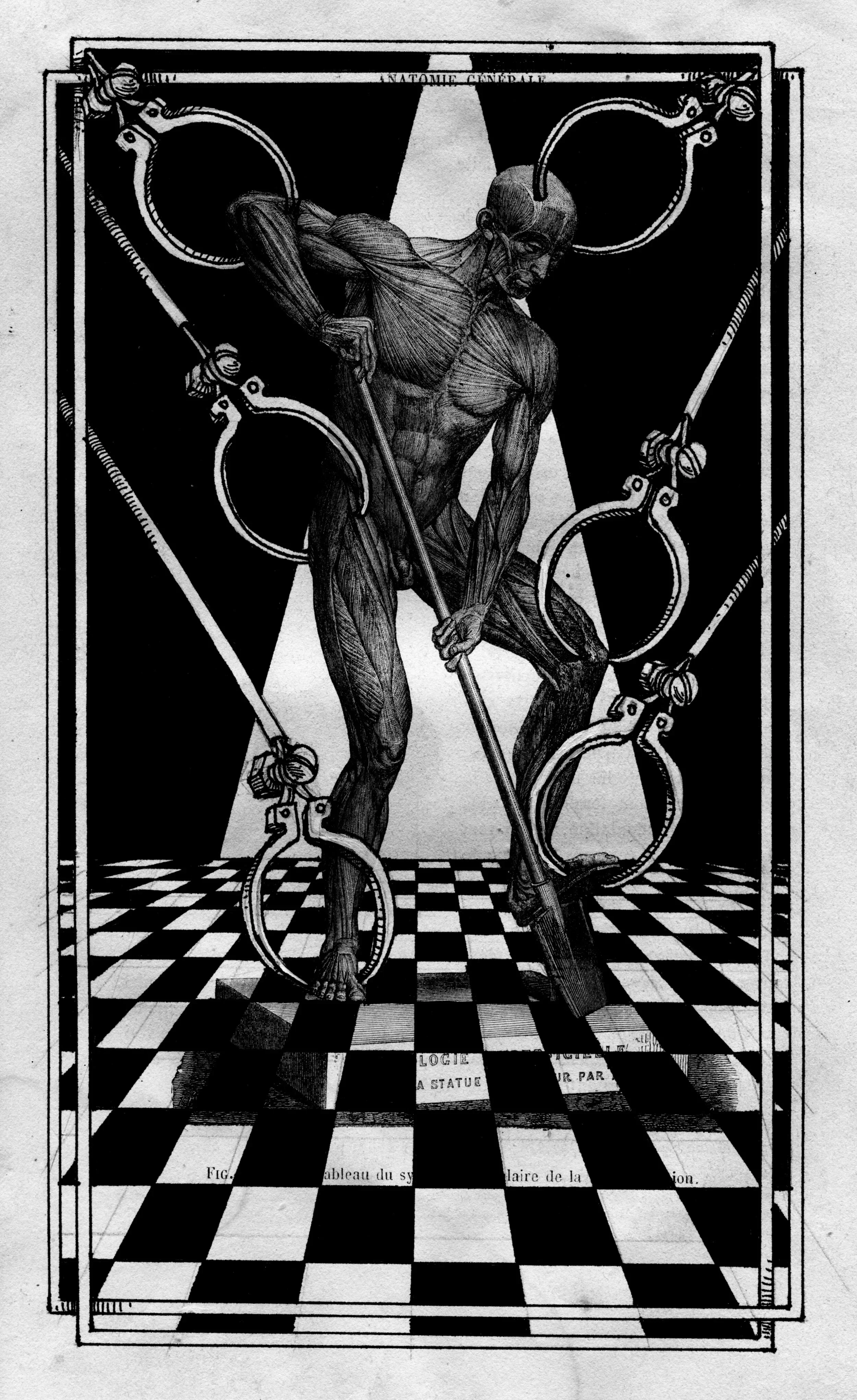
“Restless Books has just released a new edition of the original 1818 version of Mary Shelley’s Frankenstein. The 1818 version is, to my mind, far superior to the 1831 revision—which omits the Paradise Lost epigraph and many of the other details.... The Restless edition includes an introduction by Francine Prose and is accompanied by several videos (available online) by University of Pennsylvania Professor of English Wendy Steiner…. the videos should prove to be useful teaching tools. The book is also outfitted with study questions, supplied by Steiner, and several illustrations by Mexican artist Eko. Eko’s approach here is intriguing. The illustrations are superposed on reproductions of pages from the 1820 Treatise on Descriptive Anatomy by Hippolyte Cloquet. Moreover, nearly every illustration shows a woman or a scientist (or in a couple of cases what may be the creature with its long black hair) working with the outsized parts of human anatomy. In this way, the illustrations examine in a methodical, protracted manner the very thing that the novel itself rushes through in the matter of mere paragraphs: the actual work in the laboratory. Thus every illustration comes in the form of a palimpsest—the artwork “writes over” the scientific prose, obviating it from view but using it as a platform to explore what Mary Shelley leaves unexplained and perhaps what she felt was impossible adequately to imagine.”
—Chadwick Jenkins, PopMatters
“Two-hundred-years after that rained-out vacation, the work is often celebrated as the first science-fiction novel…. ‘I think that people are always going to have a certain amount of anxiety, and some of it is very well founded, about scientific process,’ says writer and Bard College literature professor Francine Prose, who wrote the introduction for a newly illustrated anniversary edition of the classic from Restless Books. ‘There are many aspects of science that still make us nervous, and with good reason.’”
—Ryan Porter, Toronto Star
“The author seems to disclose uncommon powers of poetic imagination.”
—Sir Walter Scott
“The relevance, aesthetic and moral, of Mary Shelley's novel only augments as we enter more deeply into an era that already has brought us "virtual reality" and seems likely to confront us with cyborgs…. Frankenstein contains one of the most vivid versions… of the Romantic mythology of the self.”
—Harold Bloom
“Mary Shelley, in the midst of the idealists, gives the dark side to the ideal being, showing us Frankenstein’s monster.”
—D. H. Lawrence
“How did it happen that this modest gothic tale... became caught in a kind of cultural echo chamber, amplifying through the years until, a hundred and sixty-four years later, we have a cereal called Frankenberry [...] an old TV series called The Munsters [...] Aurora Frankenstein model kits [...] and a saying such as ‘He looked like Frankenstein’ as a kind of apotheosis of ugly?”
—Stephen King
View the illustrations