 Image 1 of 1
About the author
Niccolò Machiavelli (1469–1527) was an Italian diplomat, politician, historian, philosopher and writer of the Renaissance period. As a young Florentine envoy to the courts of France and the Italian principalities, he witnessed firsthand how people could be united under a powerful leader. This vision motivated his writing on acquiring and maintaining political power.
About the introducer
Jon Lee Anderson has been a staff writer for The New Yorker since 1998. He has covered numerous conflicts in the Middle East and Africa, reported frequently from Latin America and the Caribbean, and written profiles of Augusto Pinochet, Fidel Castro, Hugo Chávez, and Gabriel García Márquez. He is the author of several books, including The Lion’s Grave: Dispatches from Afghanistan, Che Guevara: A Revolutionary Life, Guerrillas: Journeys in the Insurgent World, and The Fall of Baghdad.
About the illustrator
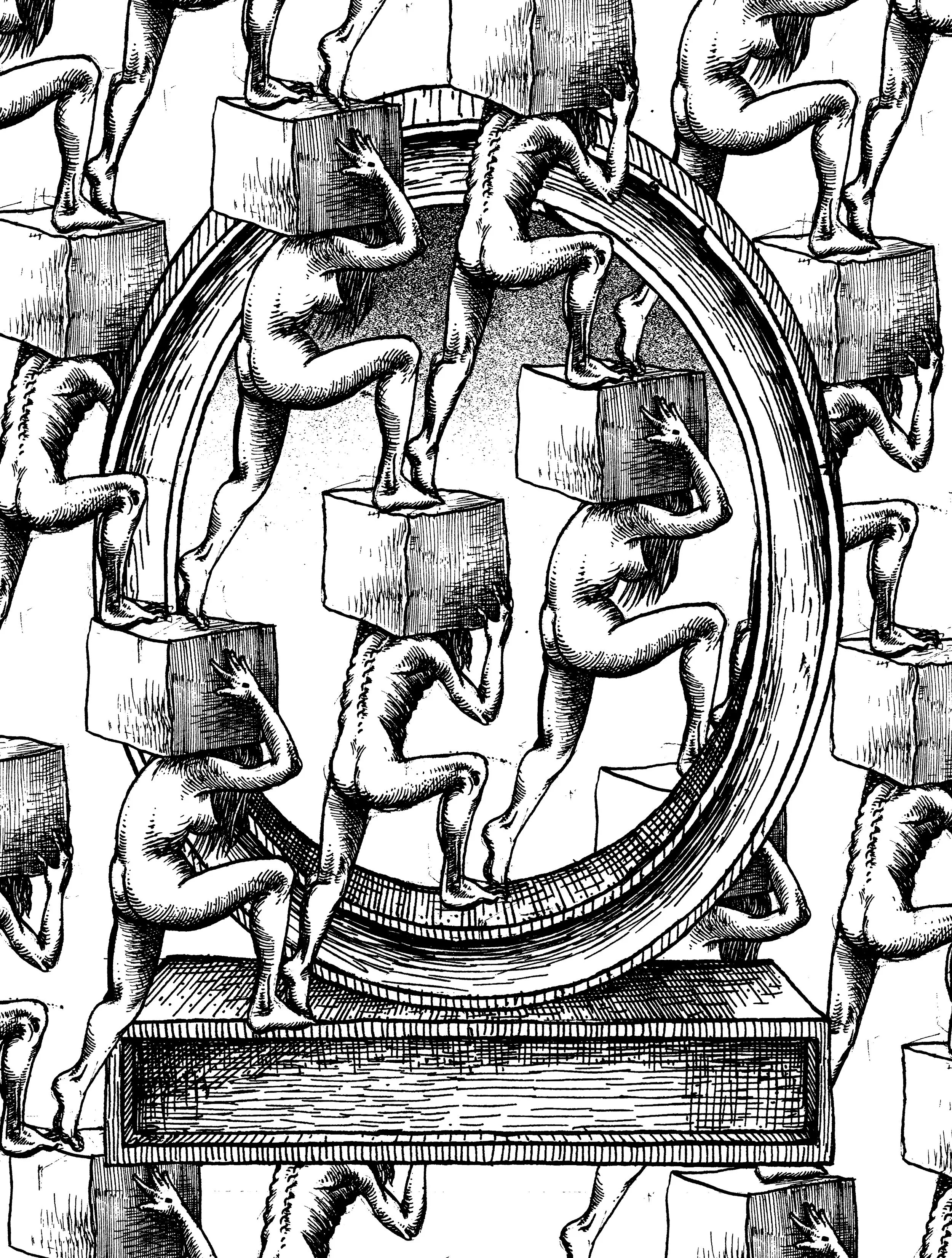
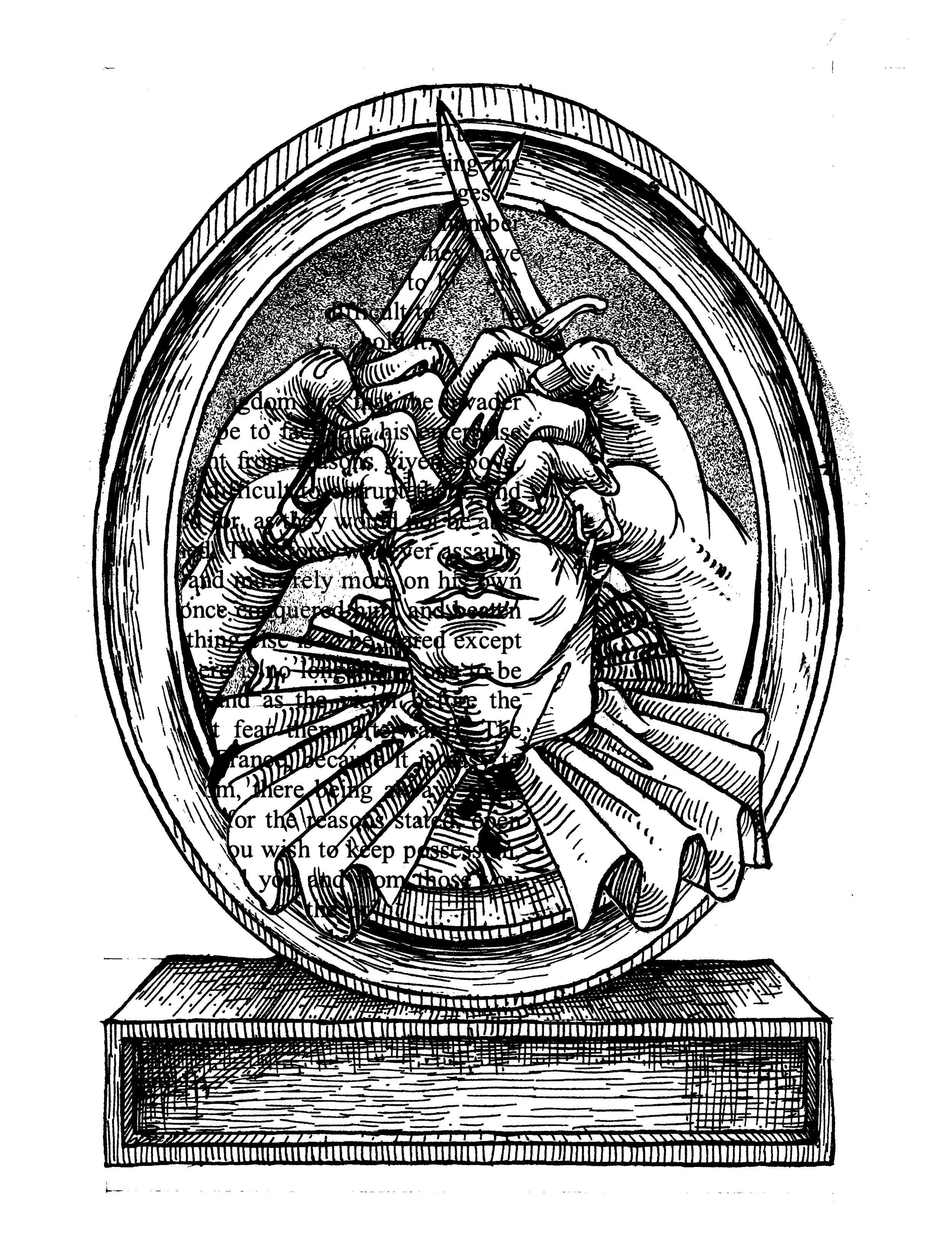
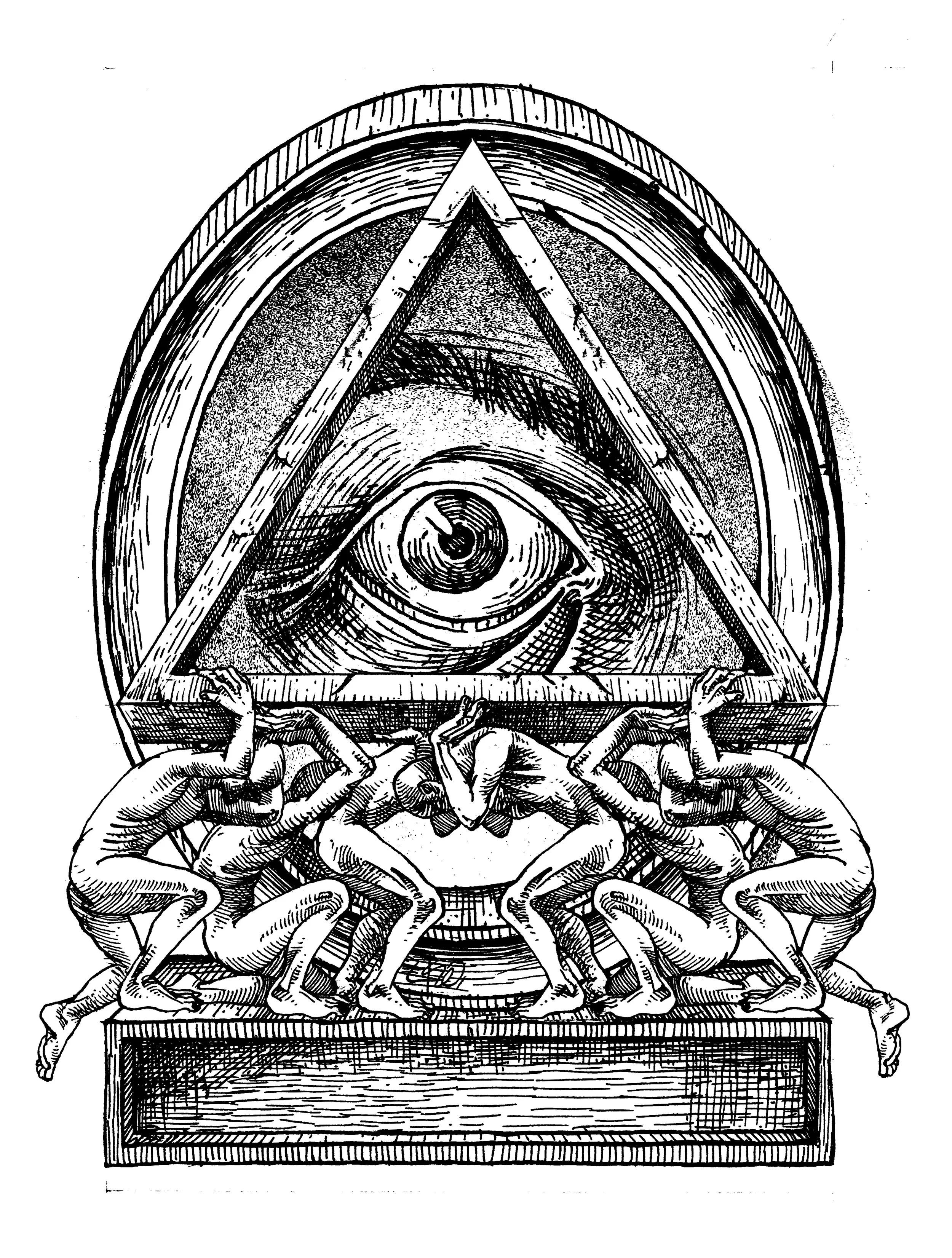
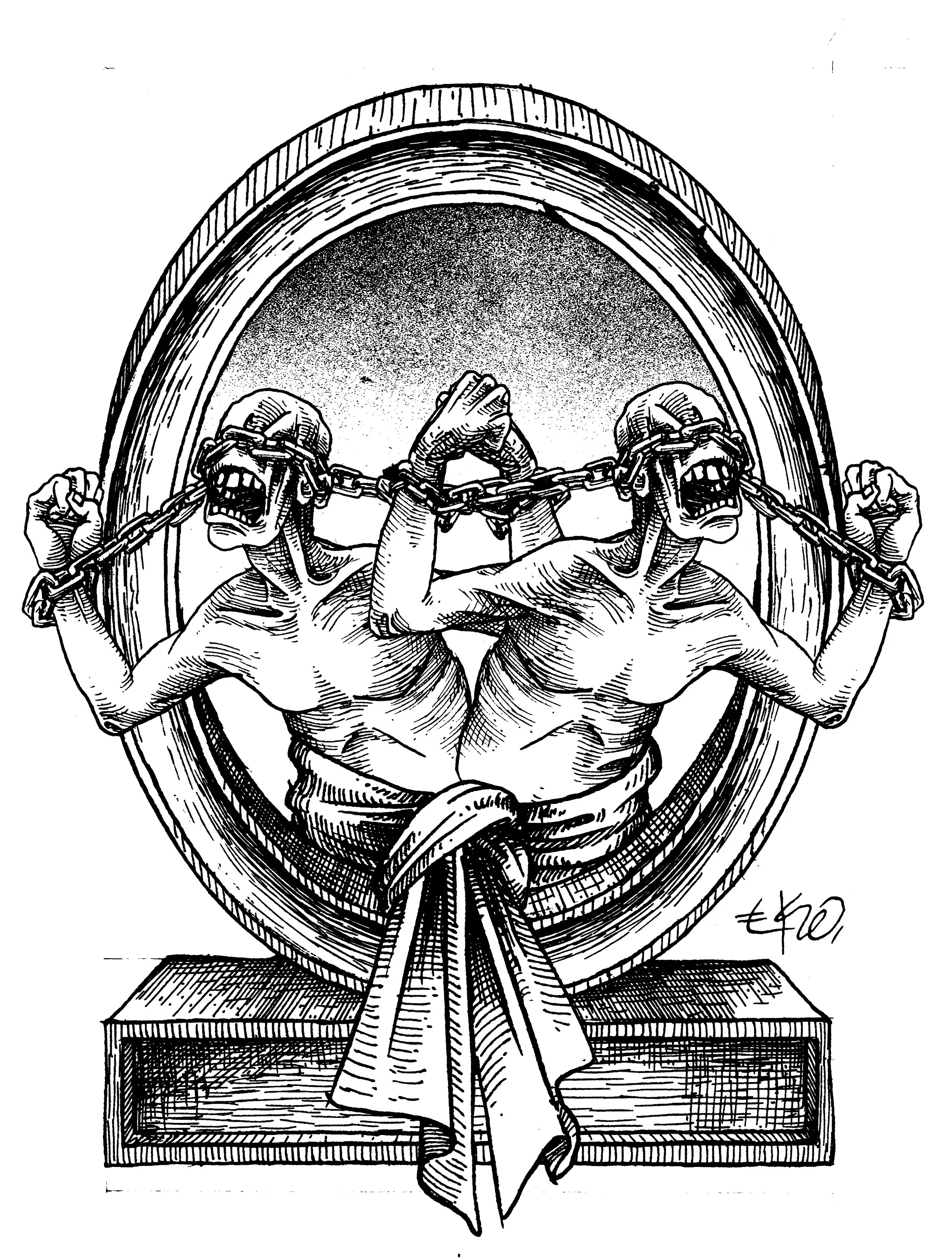
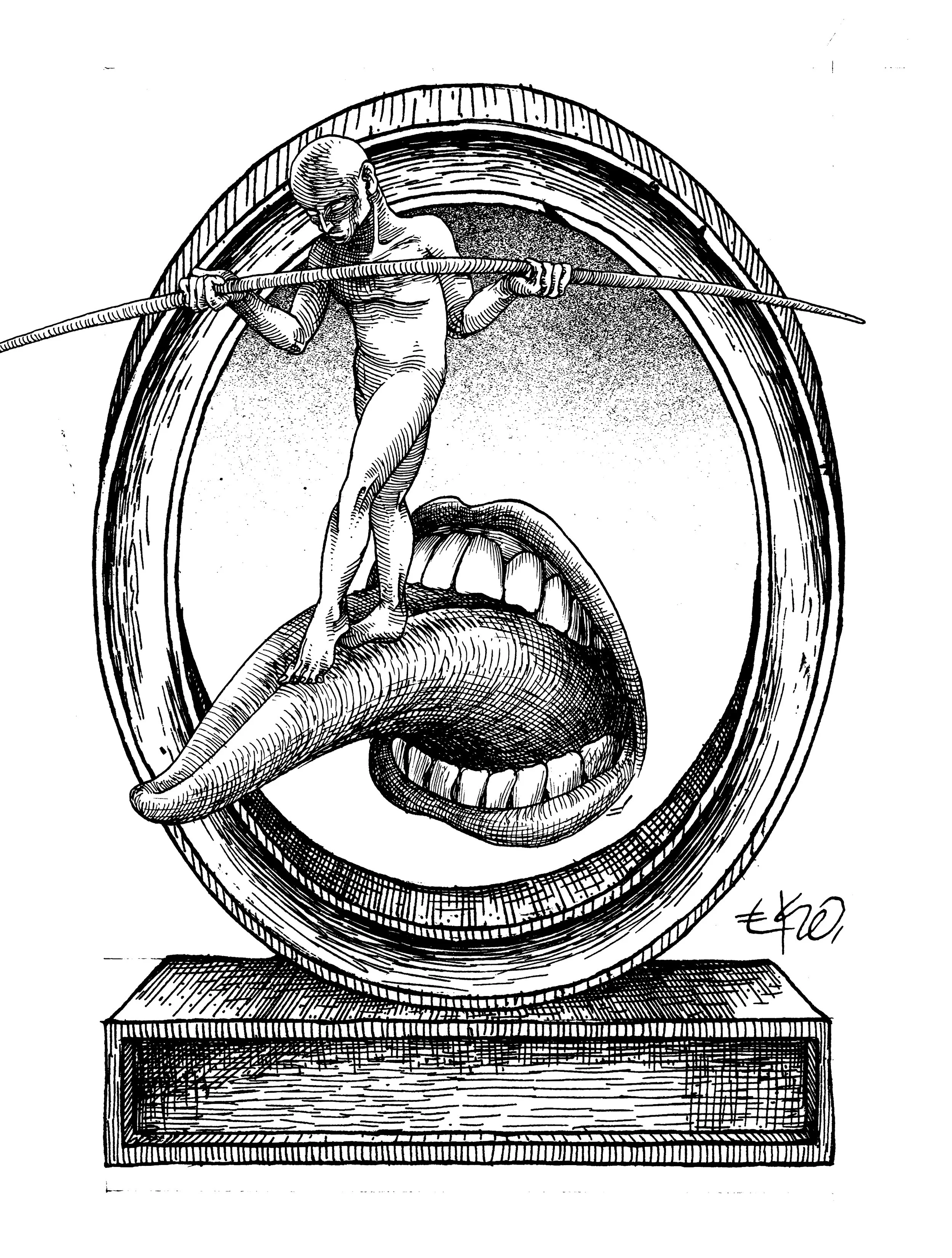
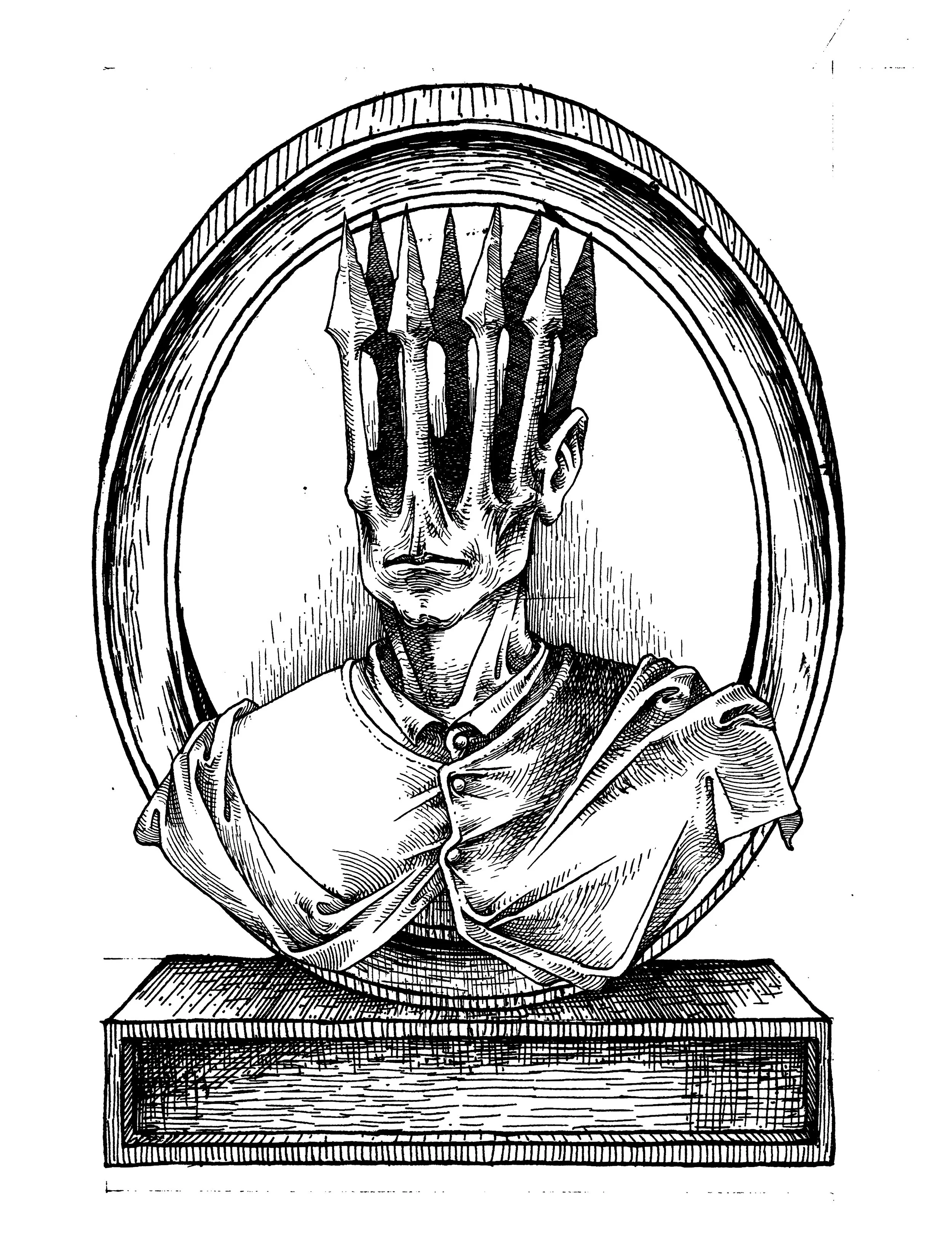
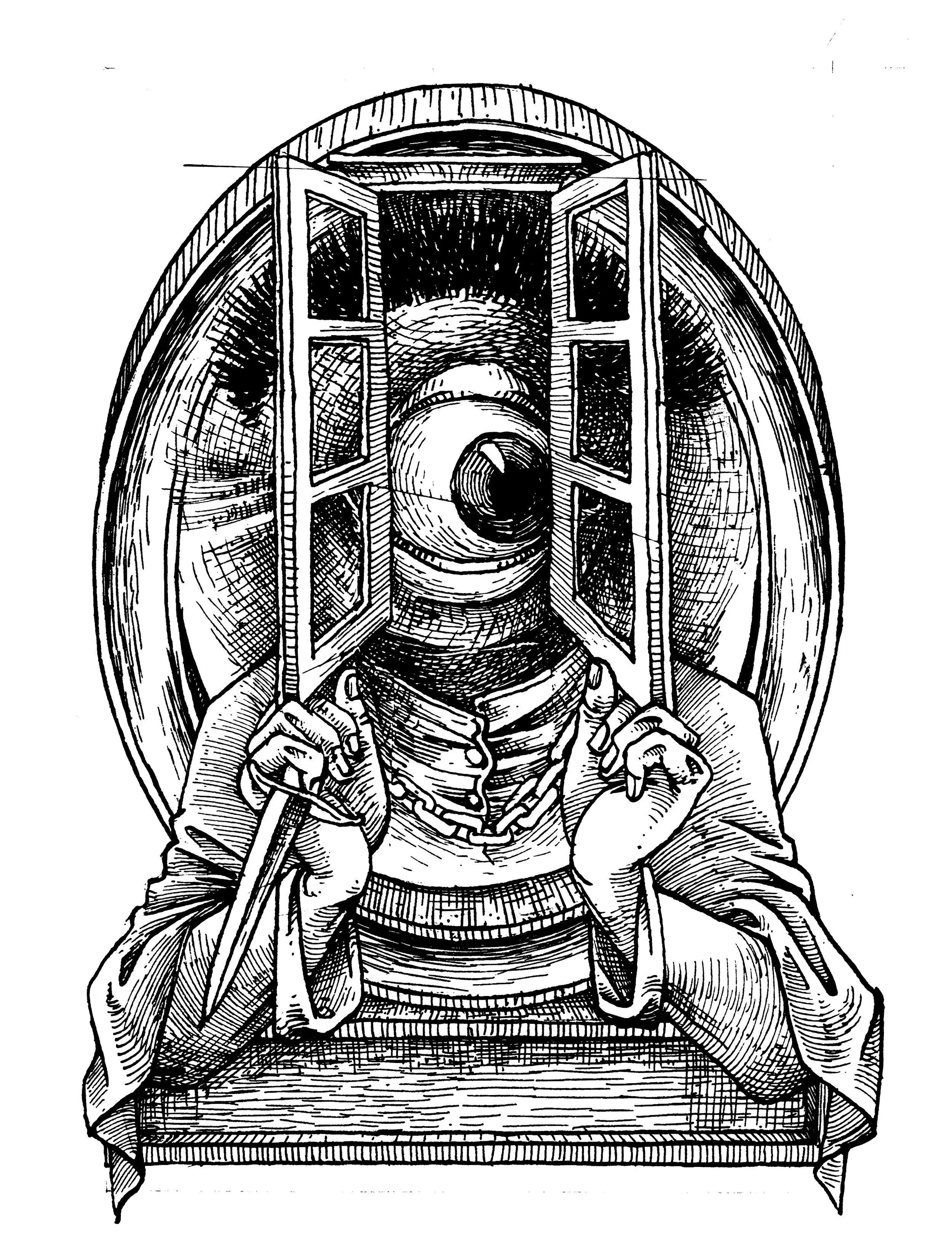
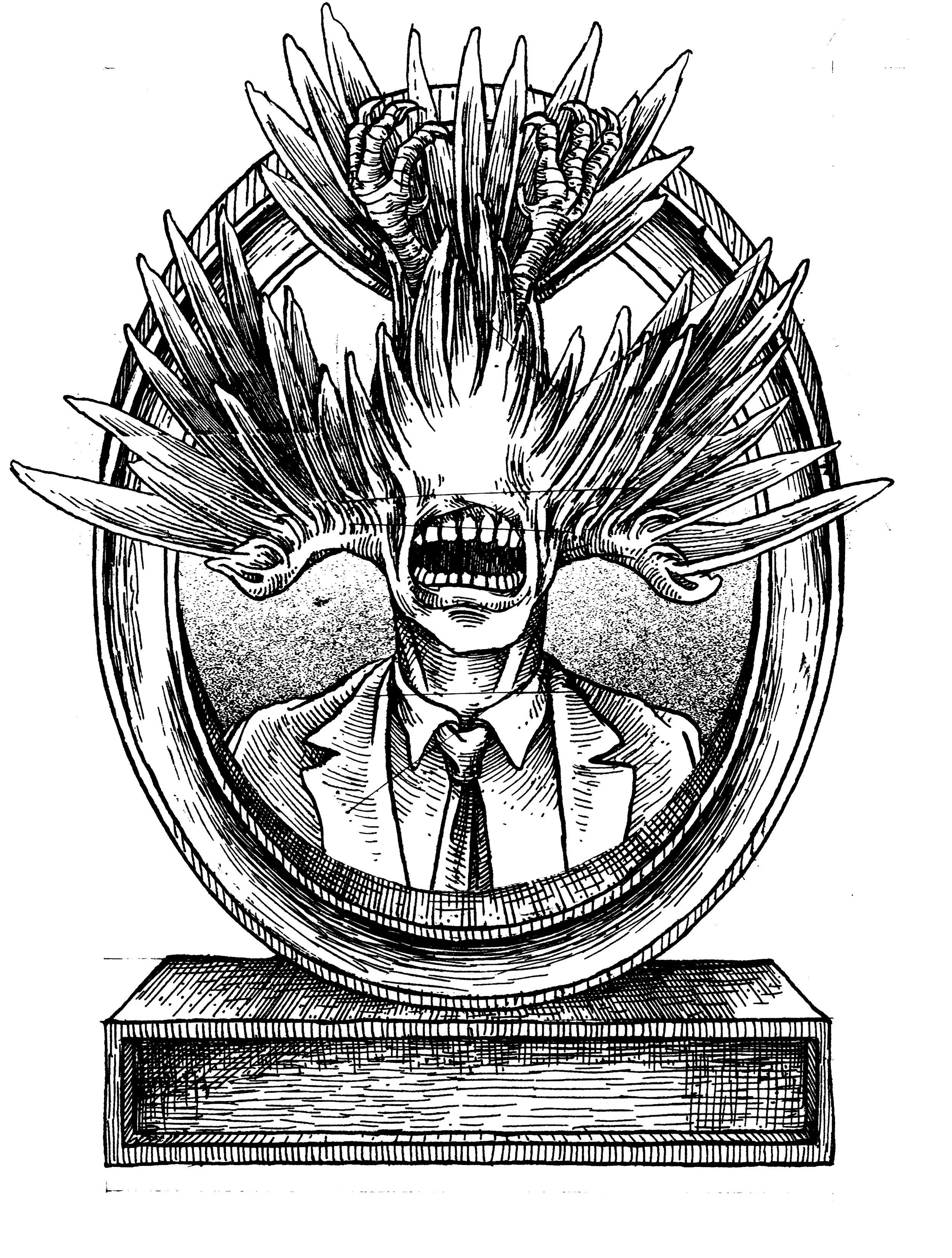
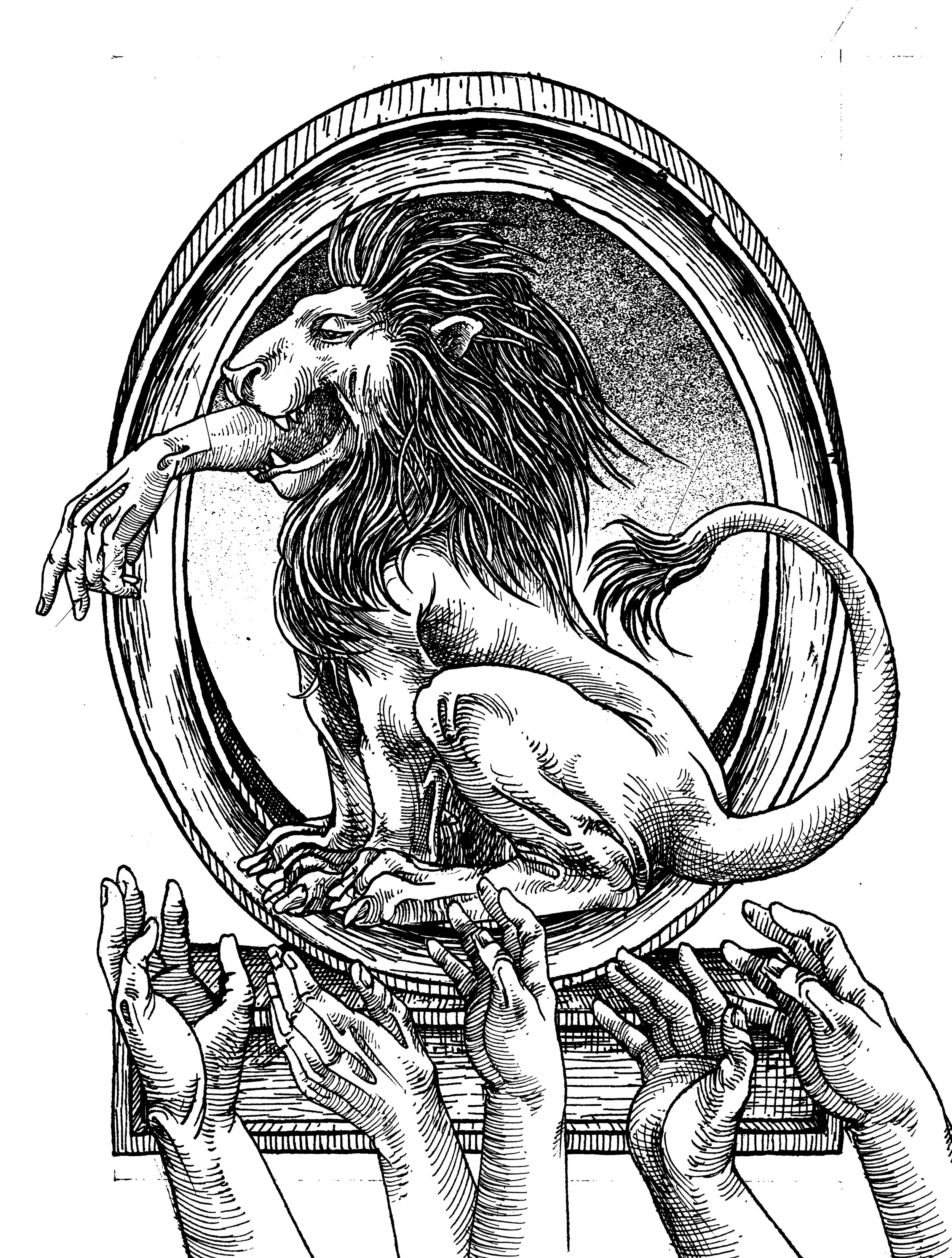
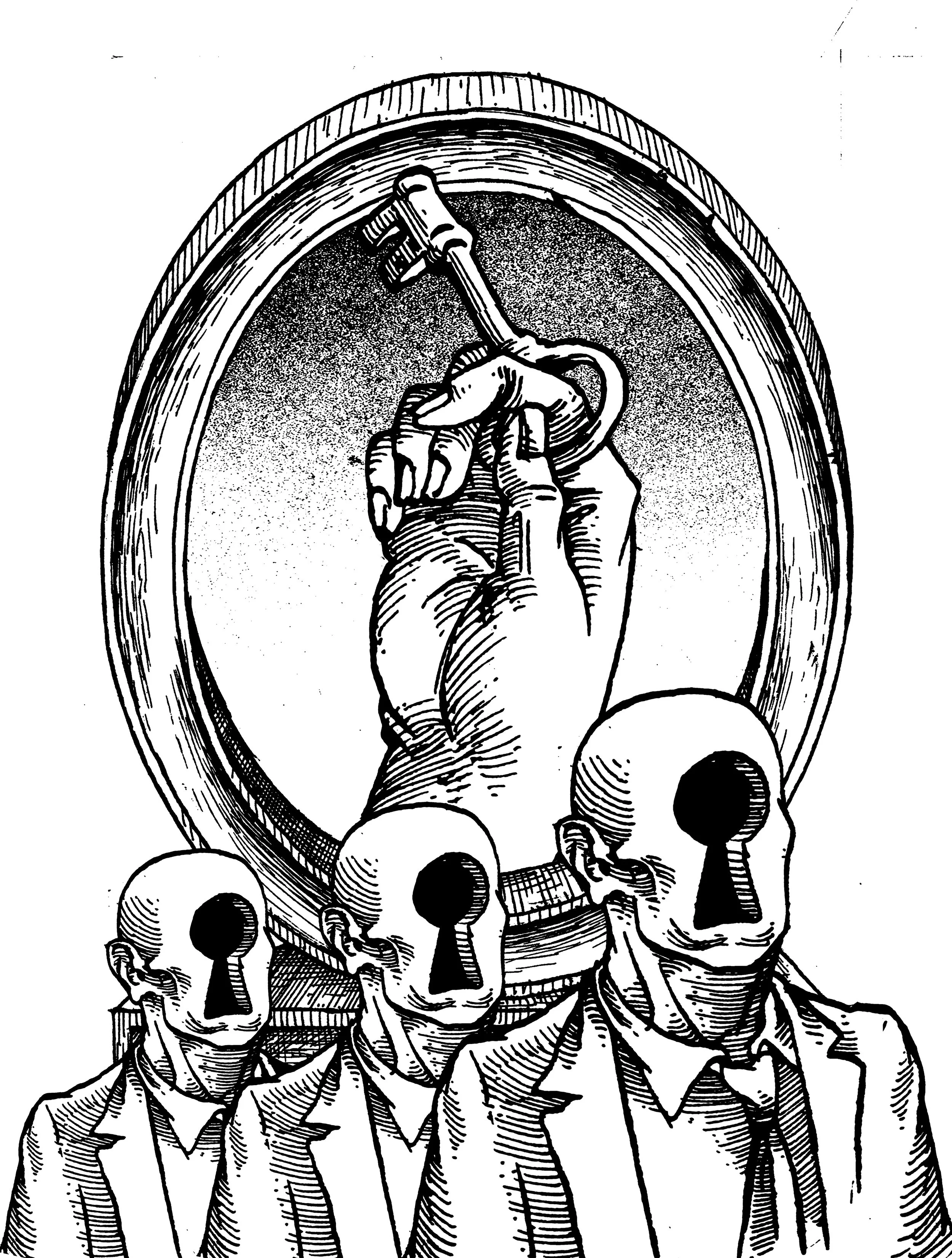
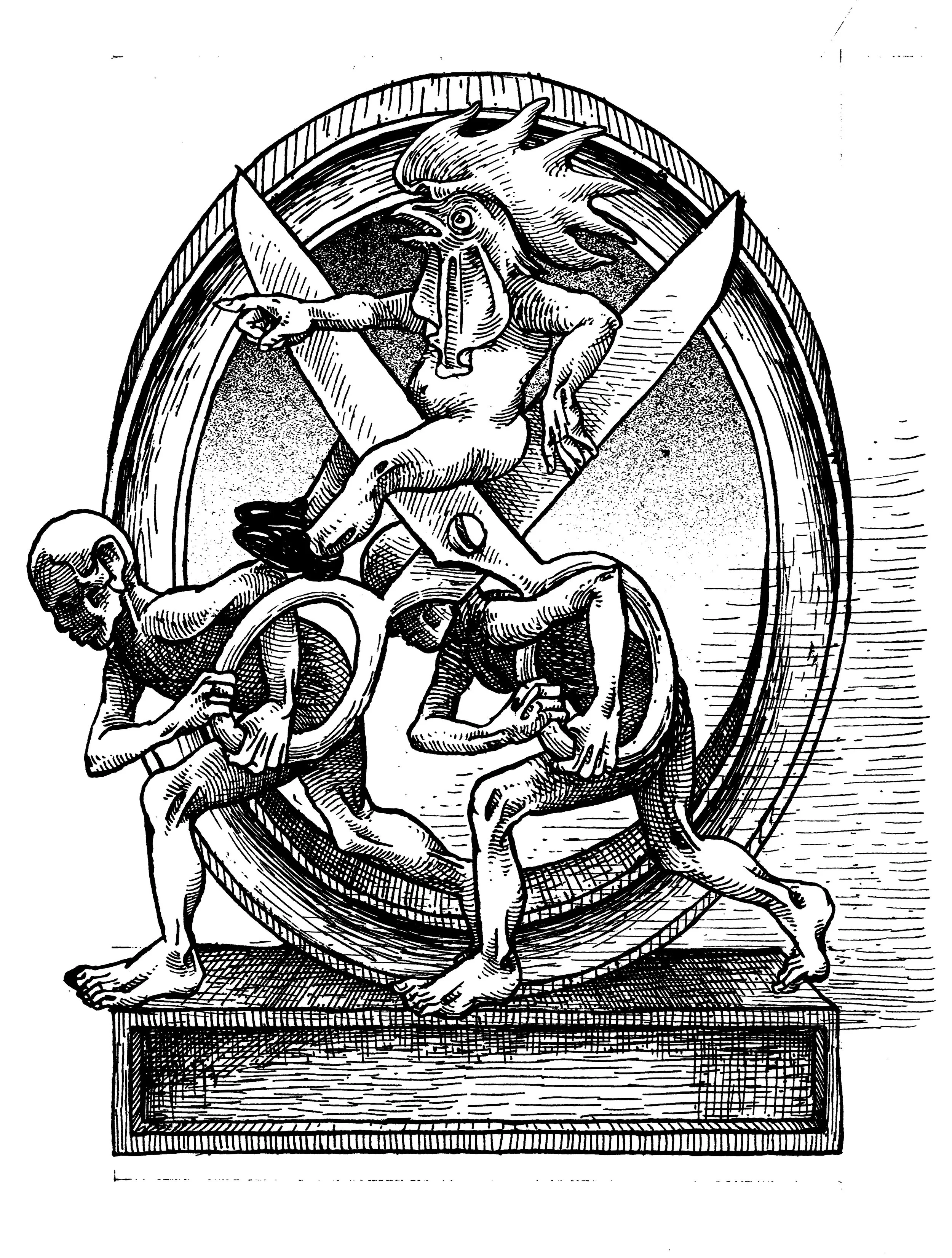
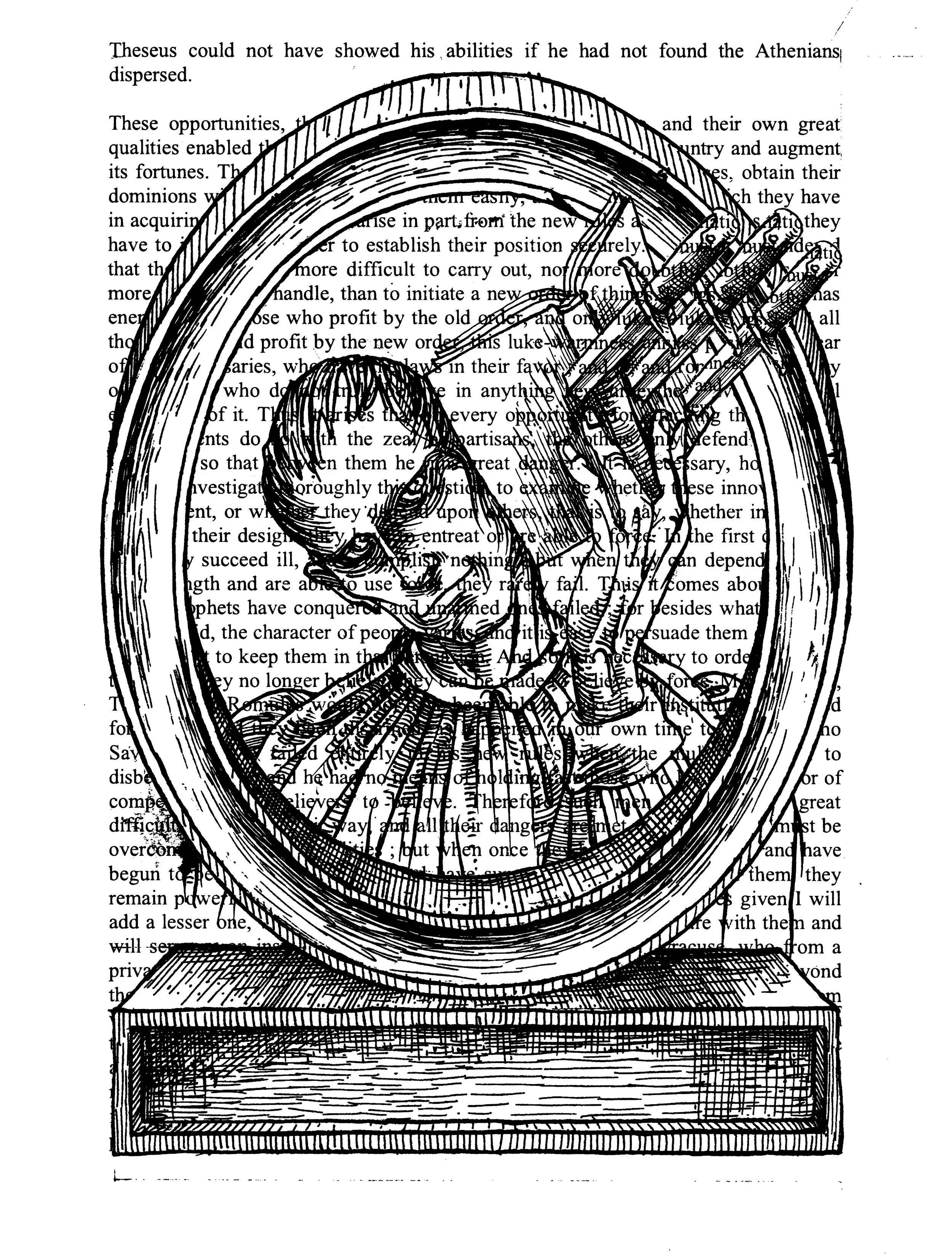
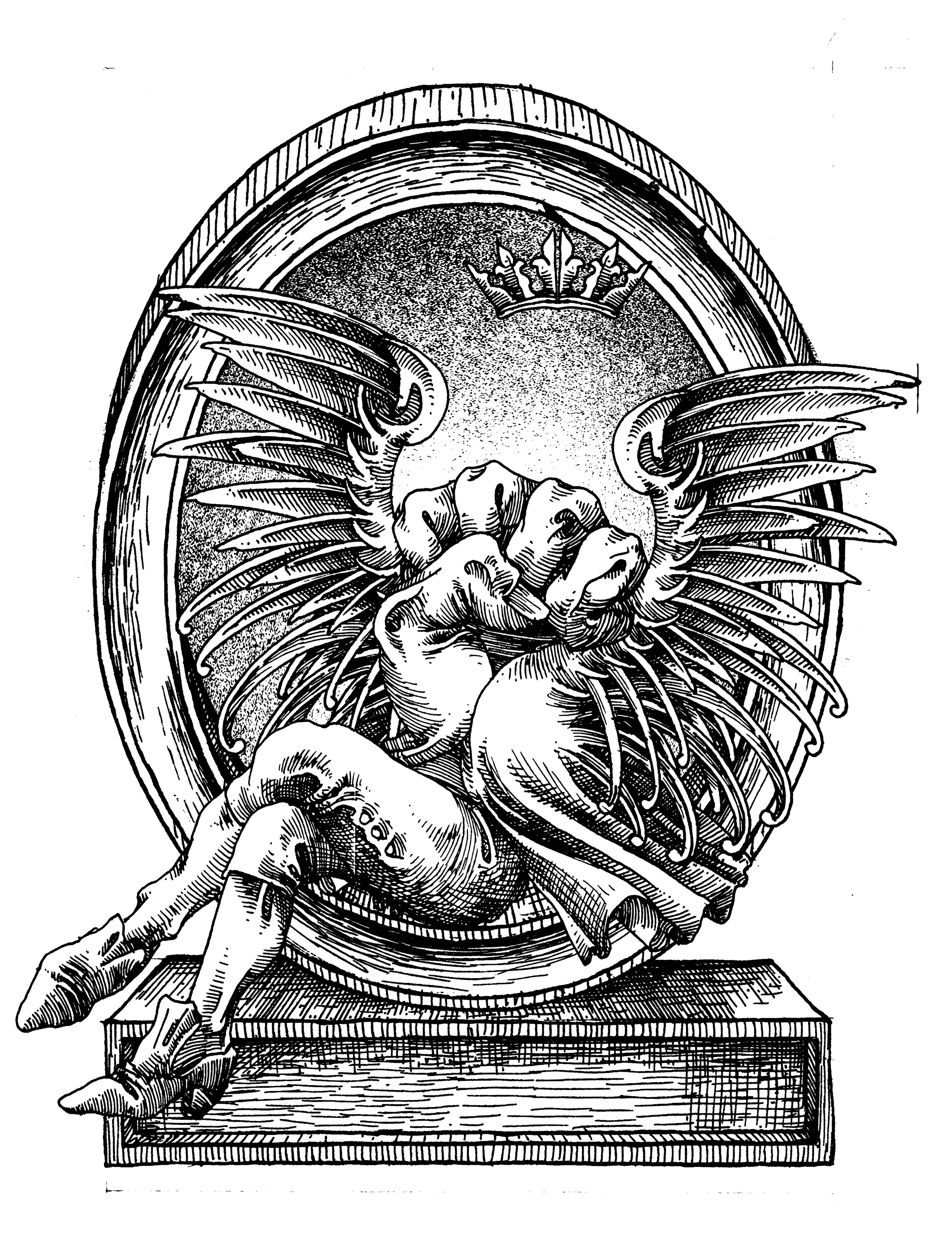
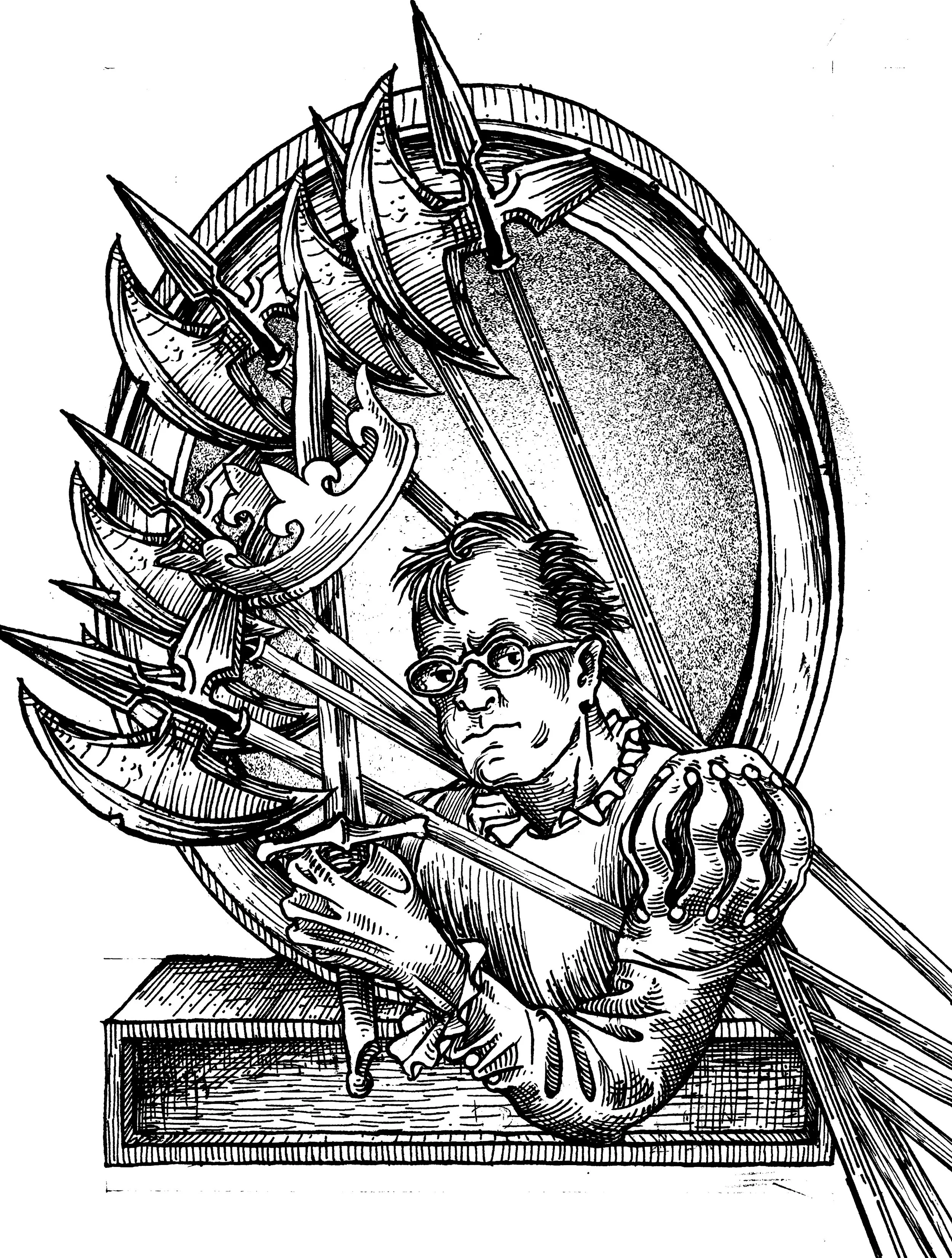
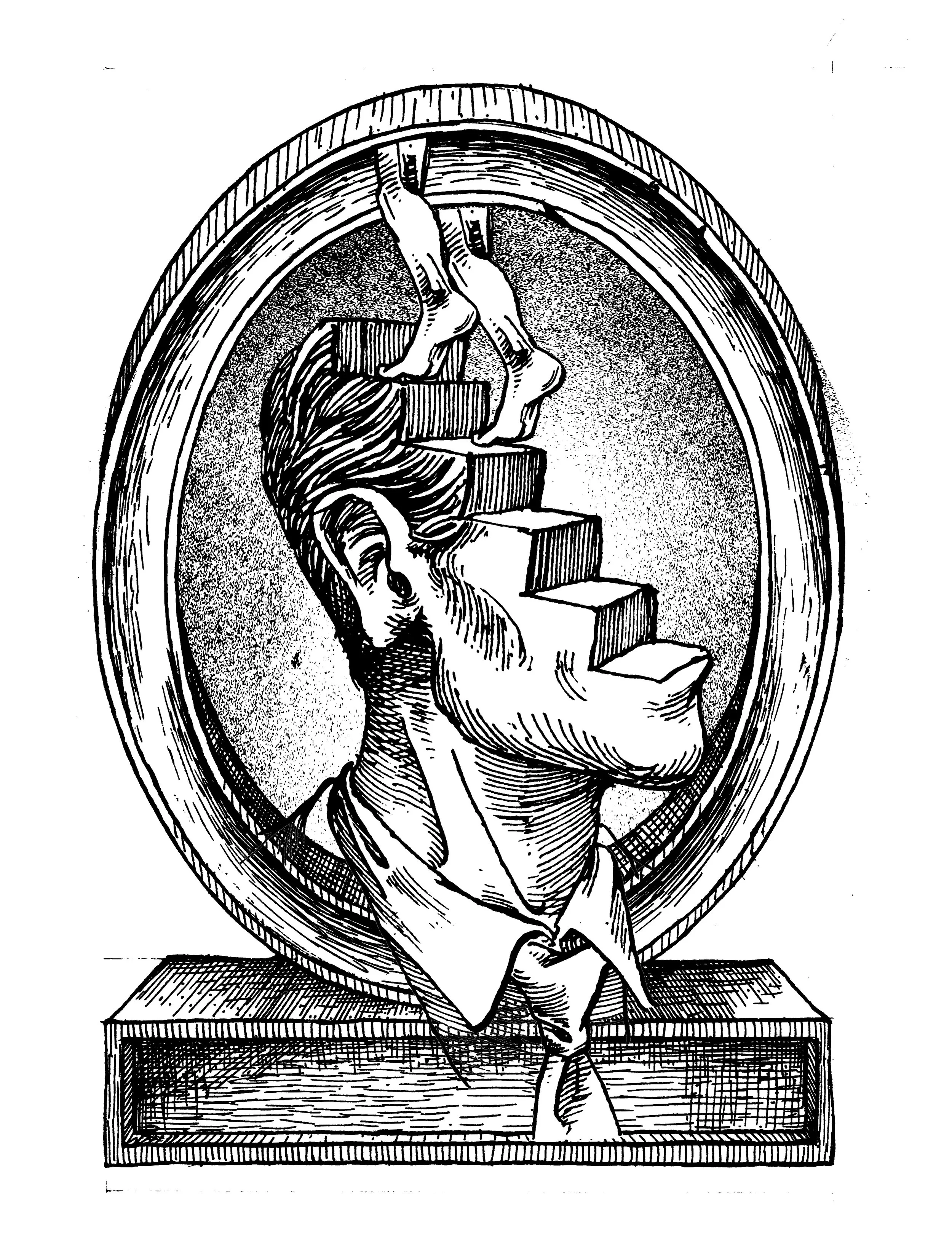
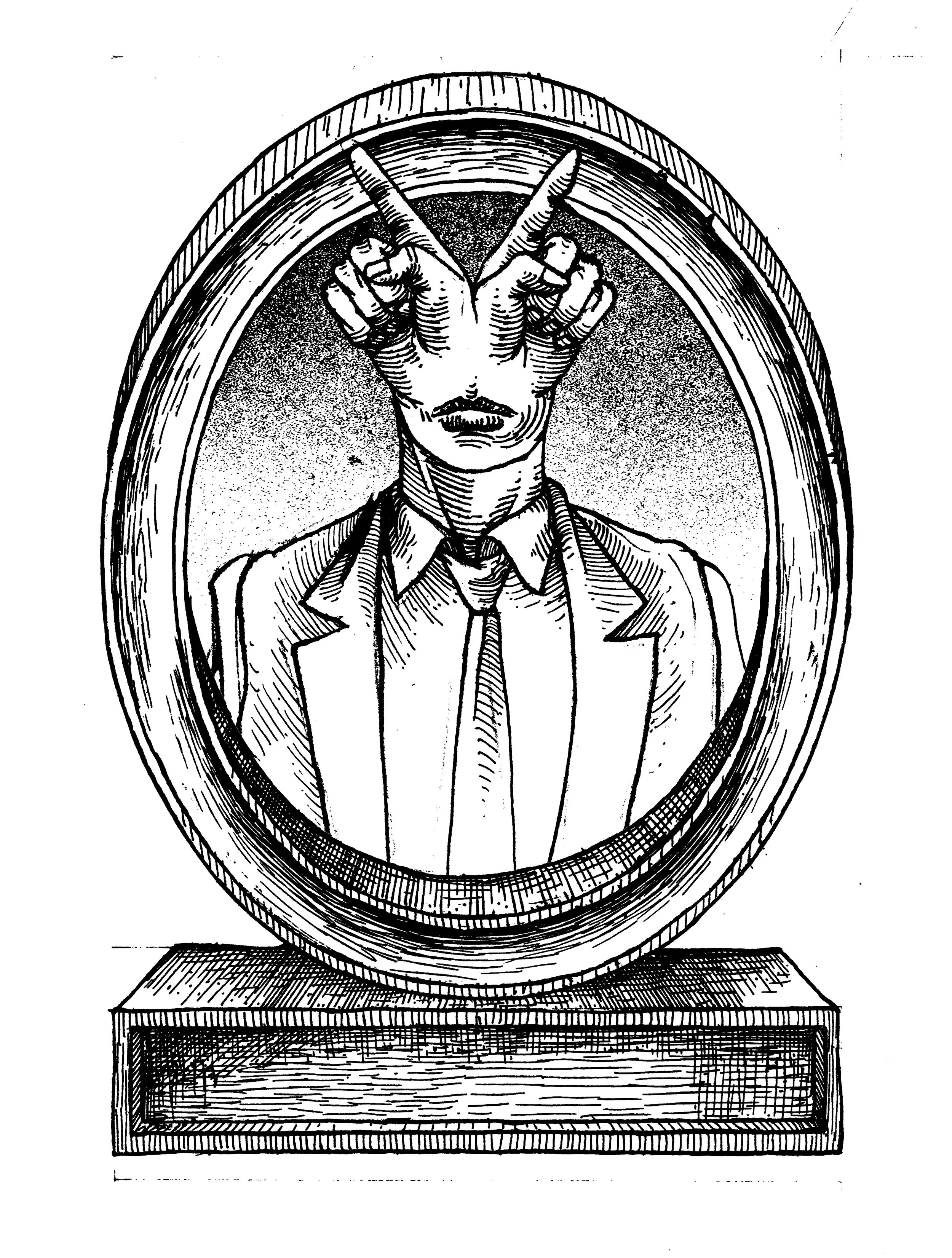
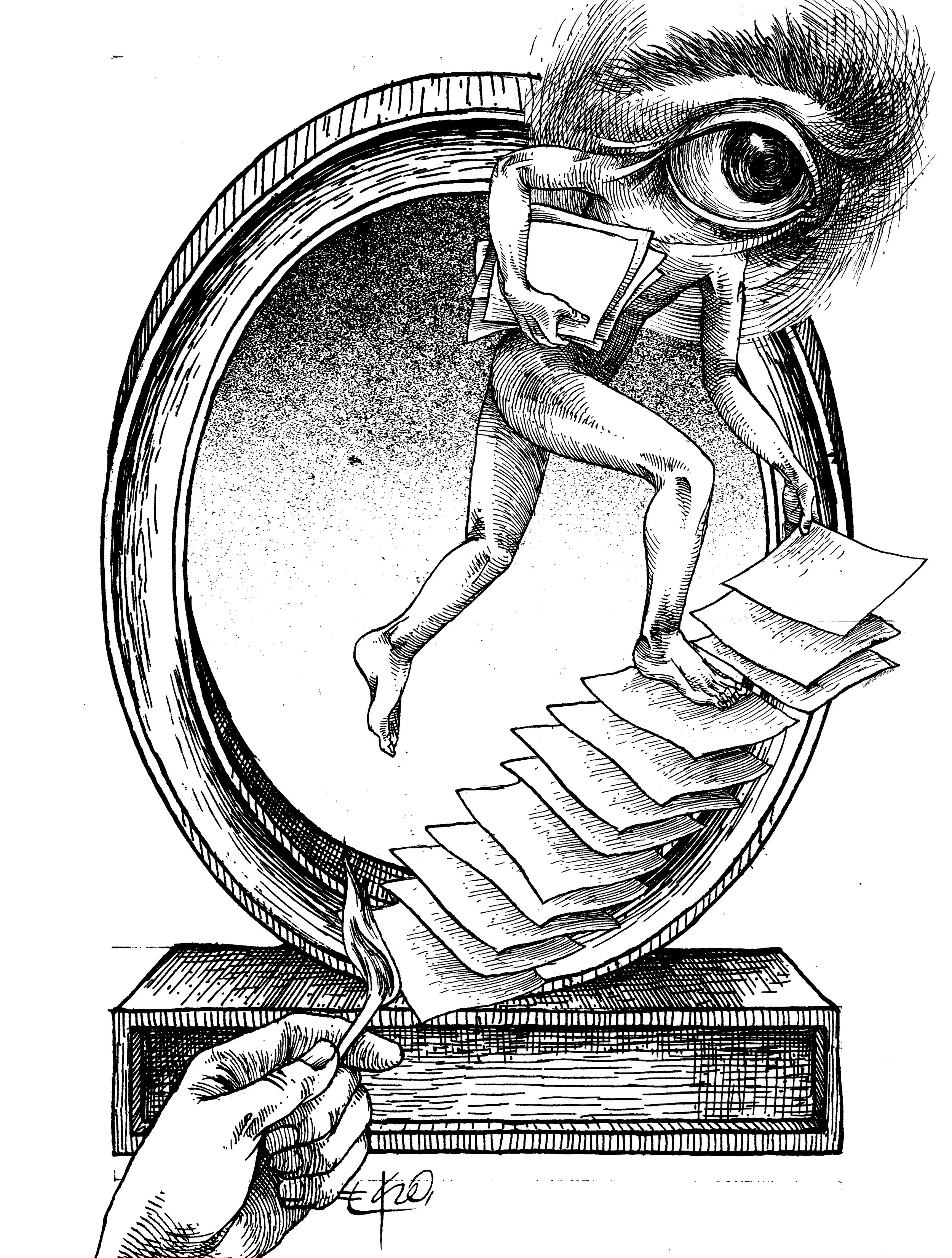
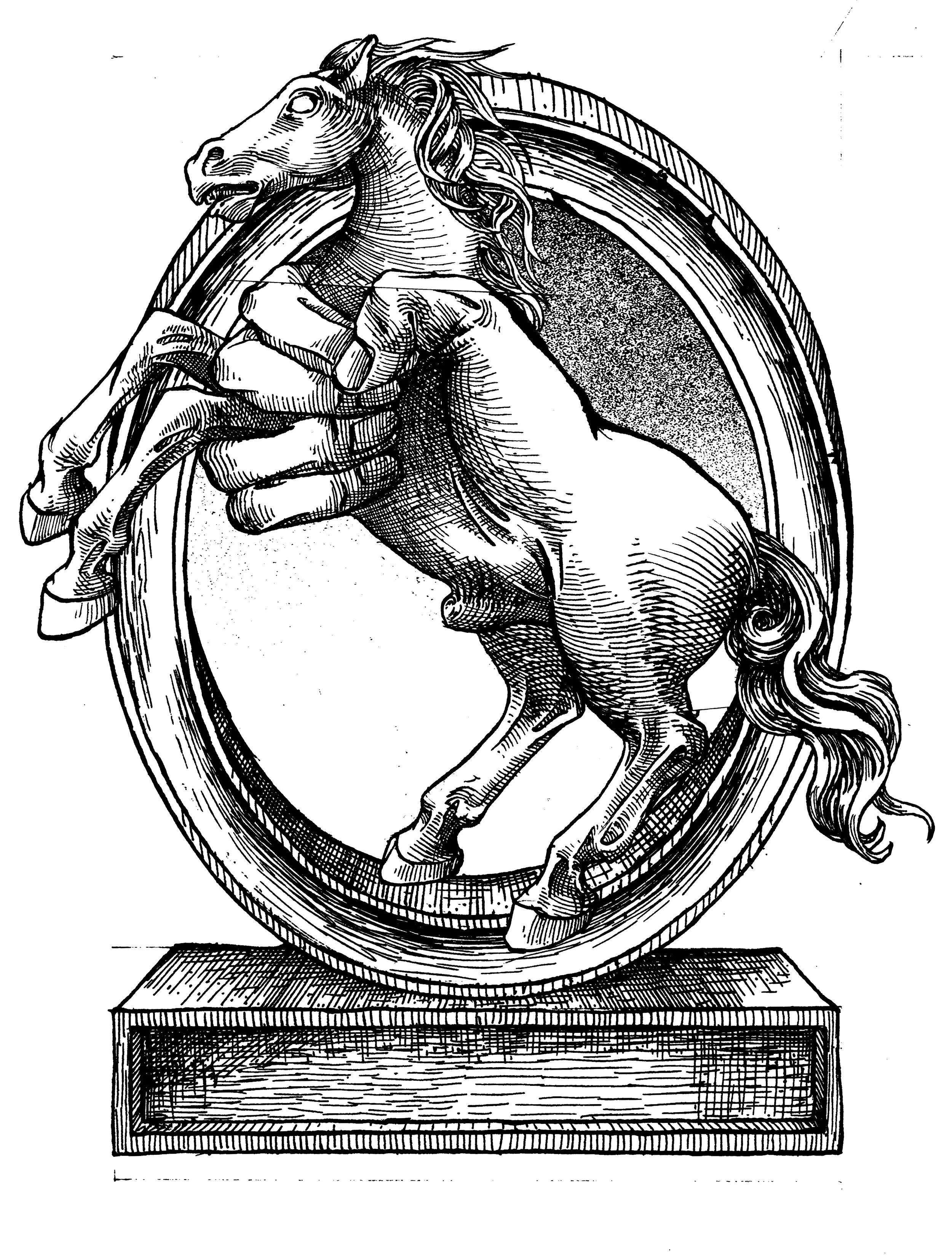
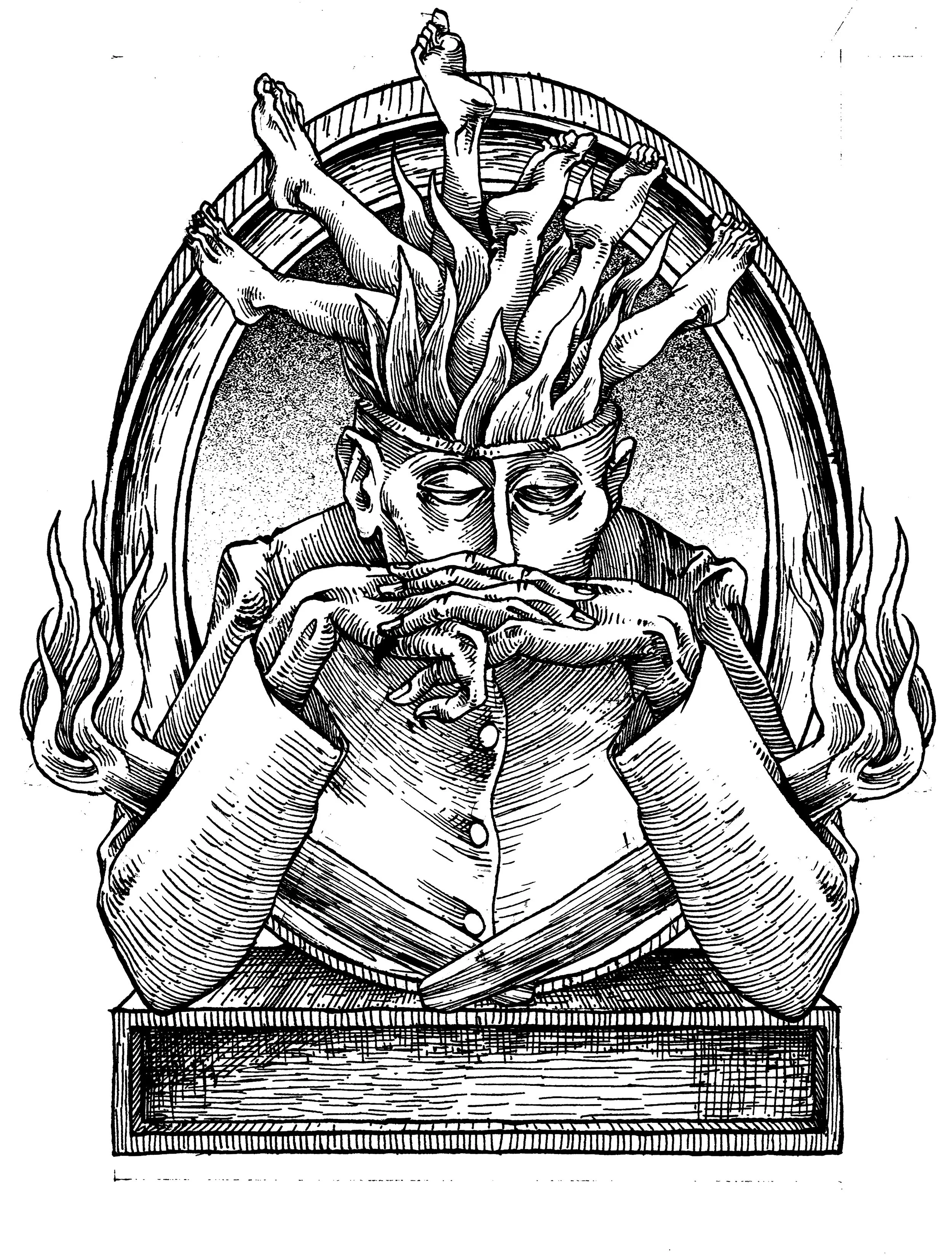
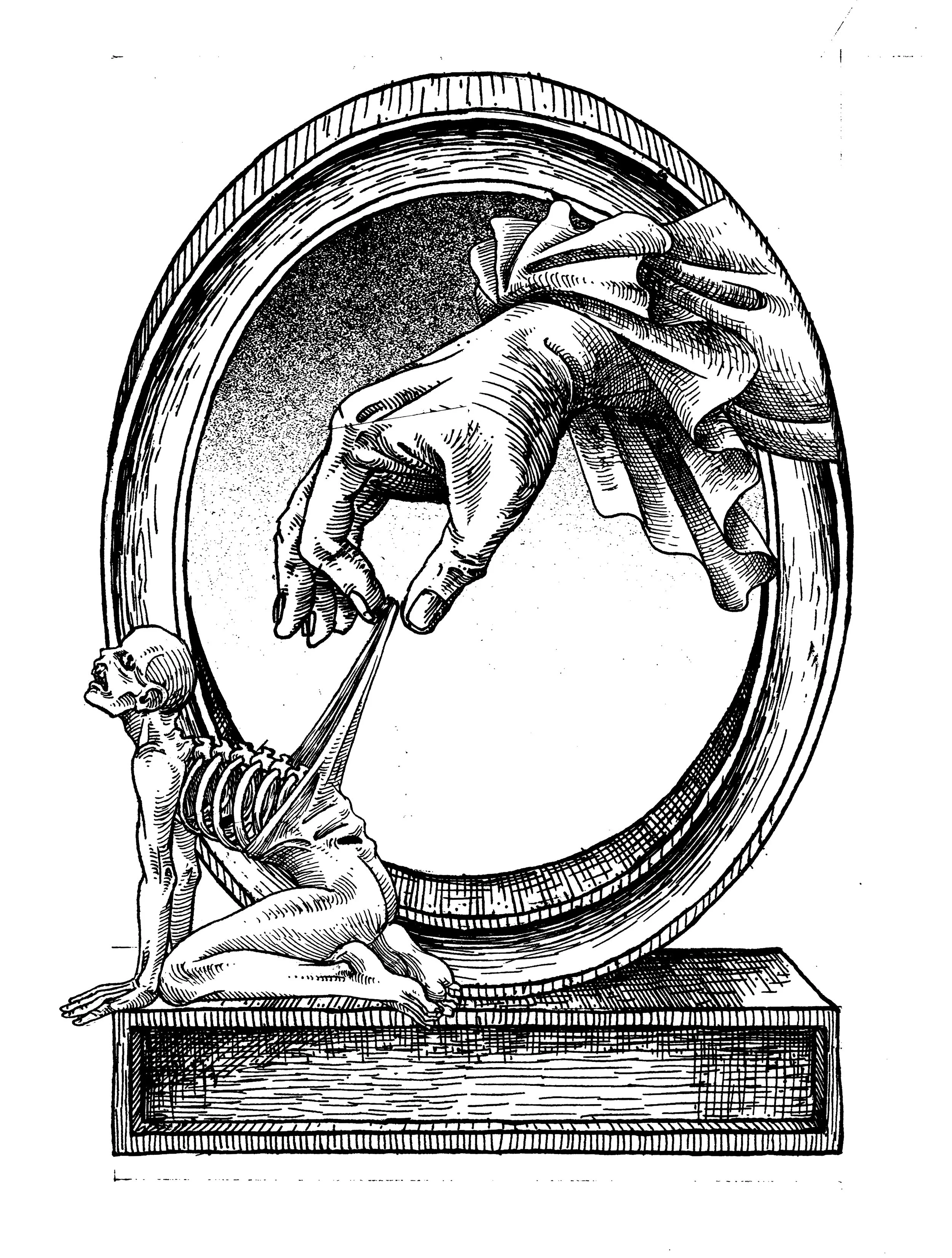
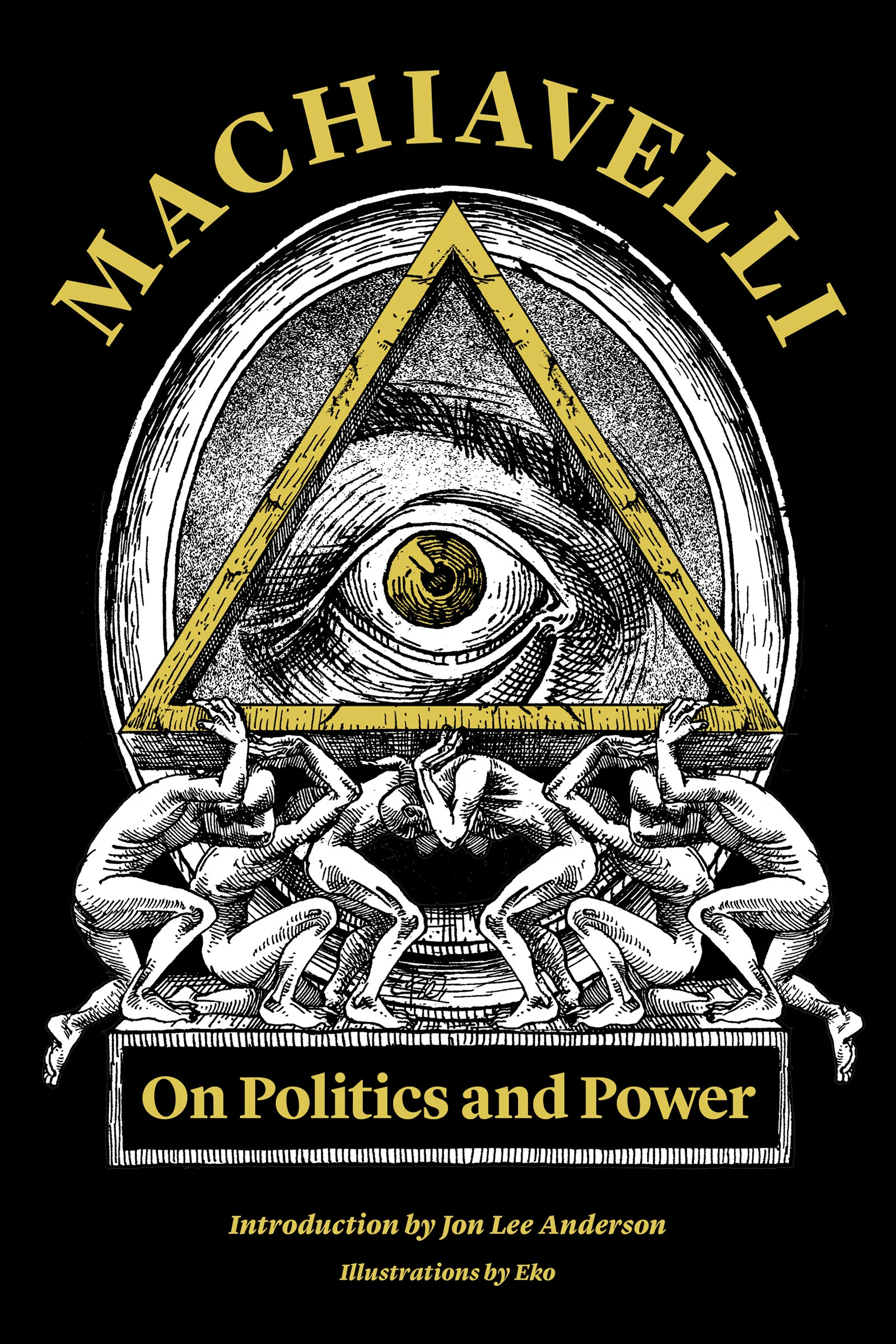
Born in Mexico in 1958, Eko is an engraver and painter. His wood etchings, often erotic in nature and the focus of controversial discussion, are part of a broader tradition in Mexican folk art popularized by José Guadalupe Posada. He has collaborated on projects for The New York Times, the Frankfurter Allgemeine Zeitung, and the Spanish daily El País, in addition to having published numerous books in Mexico and Spain.
About the translators
W. K. Marriott (1847–1927) was a translator who is known for his translations of several of Machiavelli’s works, and for his translation of Hermann Hesse’s Siddhartha. His 1908 translation of The Prince has been reprinted in several editions and anthologies of political theory, including this one.
Ninian Hill Thomson (1830–1921) was a British legal scholar, whose career spanned several decades and countries (Scotland, India, and England among them). Thomson spent his later years in Florence, and translated the work of both Machiavelli and Francesco Guicciardini: one of Machiavelli’s contemporaries and friends. Thomson’s translations are known for both their accessibility and their thoroughness.
Book Details
Paperback ISBN: 9781632062567 • $20
eBook ISBN: 9781632062574
Publication date: Mar 23, 2021
5.5" x 8.25" • 320 pages
Territory: World
Other buying options
Restless Classics
We all have “the list”: those classic books that we have the best intentions of reading, but which, after graduating from school, become less urgent priorities. We've set out to address this problem with Restless Classics—a series of beautifully packaged, newly introduced and illustrated great books from the past that still speak to our time, our place, and, especially, our restlessness. In addition to their original artwork and fresh introductions, various Restless Classics are accompanied by online explanatory videos you can access on this site.
Praise
“The staying power of The Prince comes from … its insistence on the need for a clear-sighted appreciation of how men really are as distinct from the moralizing claptrap about how they ought to be.”
—Alan Ryan, author of On Politics: A History of Political Thought from Herodotus to the Present
“It was Niccolò Machiavelli’s The Prince, written in 1513, that first laid bare the moral world of politics and the gulf between private conscience and the demands of public action.”
—Michael Ignatieff, politician and historian
View the Illustrations