
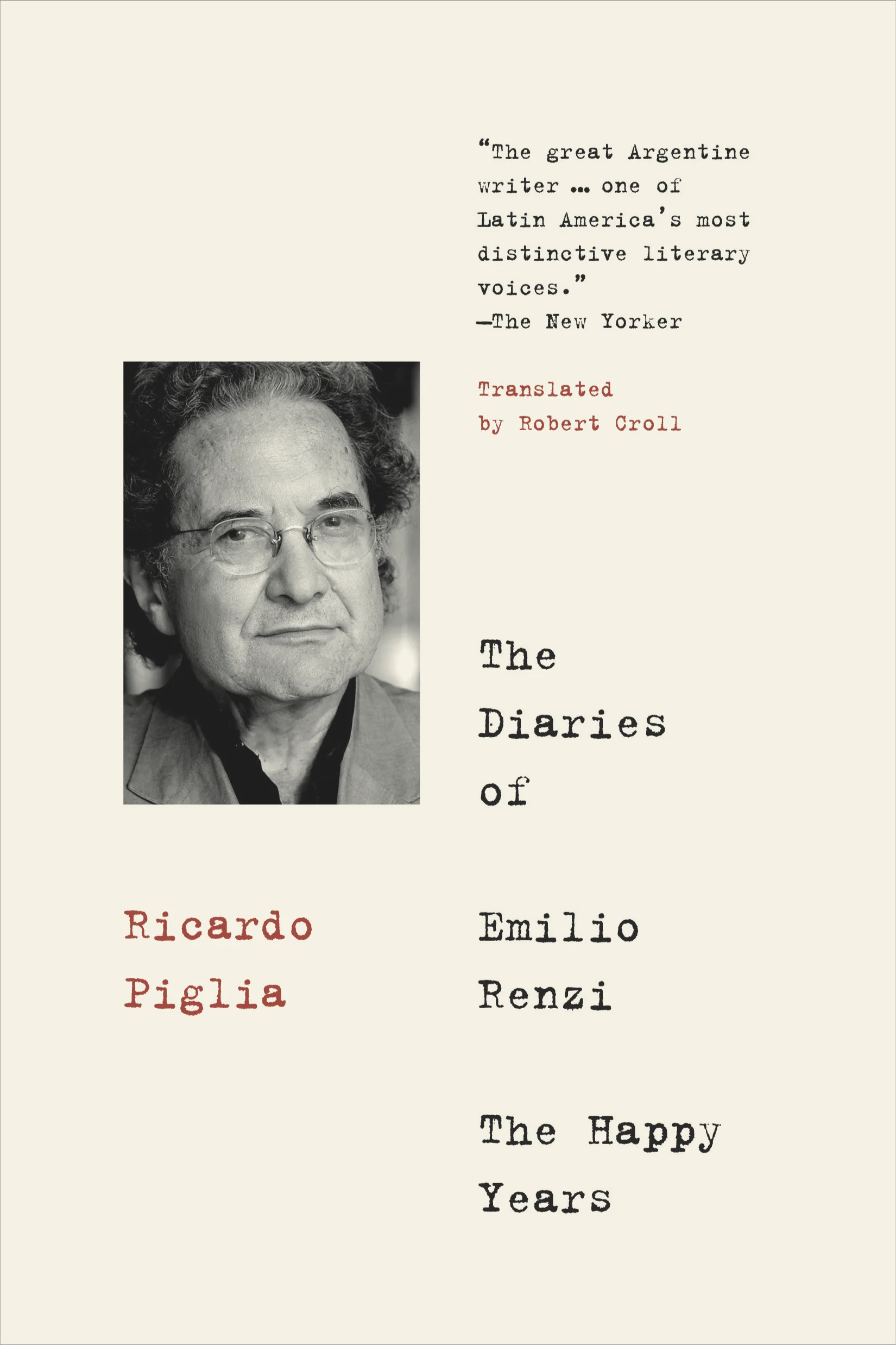
 Image 1 of 1
About the author
Ricardo Piglia (Buenos Aires, 1940–2017), professor emeritus of Princeton University, is unanimously considered a classic of contemporary Spanish-language literature. He published five novels, including Artificial Respiration, The Absent City, and Target in the Night, as well as collections of stories and criticism. Among the numerous prizes he received were the Premio de la Crítica, Premio Rómulo Gallegos, Premio Bartolomé March, Premio Casa de las Américas, Premio José Donoso, and Premio Formentor de las Letras.
About the translator
Robert Croll is a writer, translator, musician, and artist originally from Asheville, North Carolina. He first came to translation during his undergraduate studies at Amherst College, where he focused particularly on the short fiction of Julio Cortázar.
Book Details
Paperback: $21.99
ISBN: 9781632061980
eBook ISBN: 9781632061997
Publication date: Nov 20, 2018
5.5" x 8.25" • 512 pages
This book is published with the support of Amherst
Praise for The Diaries of Emilio Renzi: The Happy Years
“Much like Susan Sontag, the American essayist and one of my favorite writers, my first introduction to Piglia is through his diaries. And what a privilege to be in someone’s head even for a bit, to know what troubled or delighted them as they made their way into the world. That no matter how esteemed or revered they are in the public spotlight, they deal with the same problems most of us do: figuring out how to make rent, finding enough time to write, loss, heartbreak.”
—Pia Cortez, Book Look
“The Diaries of Emilio Renzi continue to be a fascinating literary-autobiographical experiment ... and, especially, a wonderful immersion in literature itself. Of particular interest in showing the transition of Latin American (and specifically Argentine) literature -- no longer: "out of sync, behind, out of place" --, Piglia's range extends far beyond that too. Yes, most of this is presumably mainly of interest to the similarly literature-obsessed -- but Piglia makes it hard to imagine who wouldn't be.”
—M. A. Orthofer, The Complete Review
Praise for The Diaries of Emilio Renzi: Formative Years
“Splendidly crafted and interspliced with essays and stories, this beguiling work is to a diary as Piglia is to “Emilio Renzi”: a lifelong alter ego, a highly self-conscious shadow volume that brings to bear all of Piglia’s prowess as it illuminates his process of critical reading and the inevitable tensions between art and life. Amid meeting redheads at bars, he dissects styles and structures with a surgeon’s precision, turning his gaze on a range of writers, from Plato to Dashiell Hammett, returning time and again to Pavese, Faulkner, Dostoyevsky, Arlt and Borges.... this is an embarrassment of riches... No previous familiarity with Piglia’s work is needed to appreciate these bibliophilic diaries, adroitly repurposed through a dexterous game of representation and masks that speaks volumes of the role of the artist in society, the artist in his time, the artist in his tradition.”
—Mara Faye Lethem, The New York Times Book Review, Editors’ Choice
“For the past few years, every Latin American novelist I know has been telling me how lavish, how grand, how transformative was the Argentinian novelist Ricardo Piglia’s final project, a fictional journal in three volumes, Los diarios de Emilio Renzi—Renzi being Piglia’s fictional alter ego. And now here at last is the first volume in English, The Diaries of Emilio Renzi: Formative Years, translated by Robert Croll. It’s something to be celebrated… [It] offer[s] one form of resistance to encroaching fascism: style.”
—Adam Thirlwell, BookForum, The Best Books of 2017
“A valediction from the noted Argentine writer, known for bringing the conventions of hard-boiled U.S. crime drama into Latin American literature...Fans of Cortázar, Donoso, and Gabriel García Márquez will find these to be eminently worthy last words from Piglia.”
—Kirkus Reviews, Starred Review
“When young Ricardo Piglia wrote the first pages of his diaries, which he would work on until the last years of his life, did he have any inkling that they would become a lesson in literary genius and the culmination of one of the greatest works of Argentine literature?”
—Samanta Schweblin, author of Fever Dream
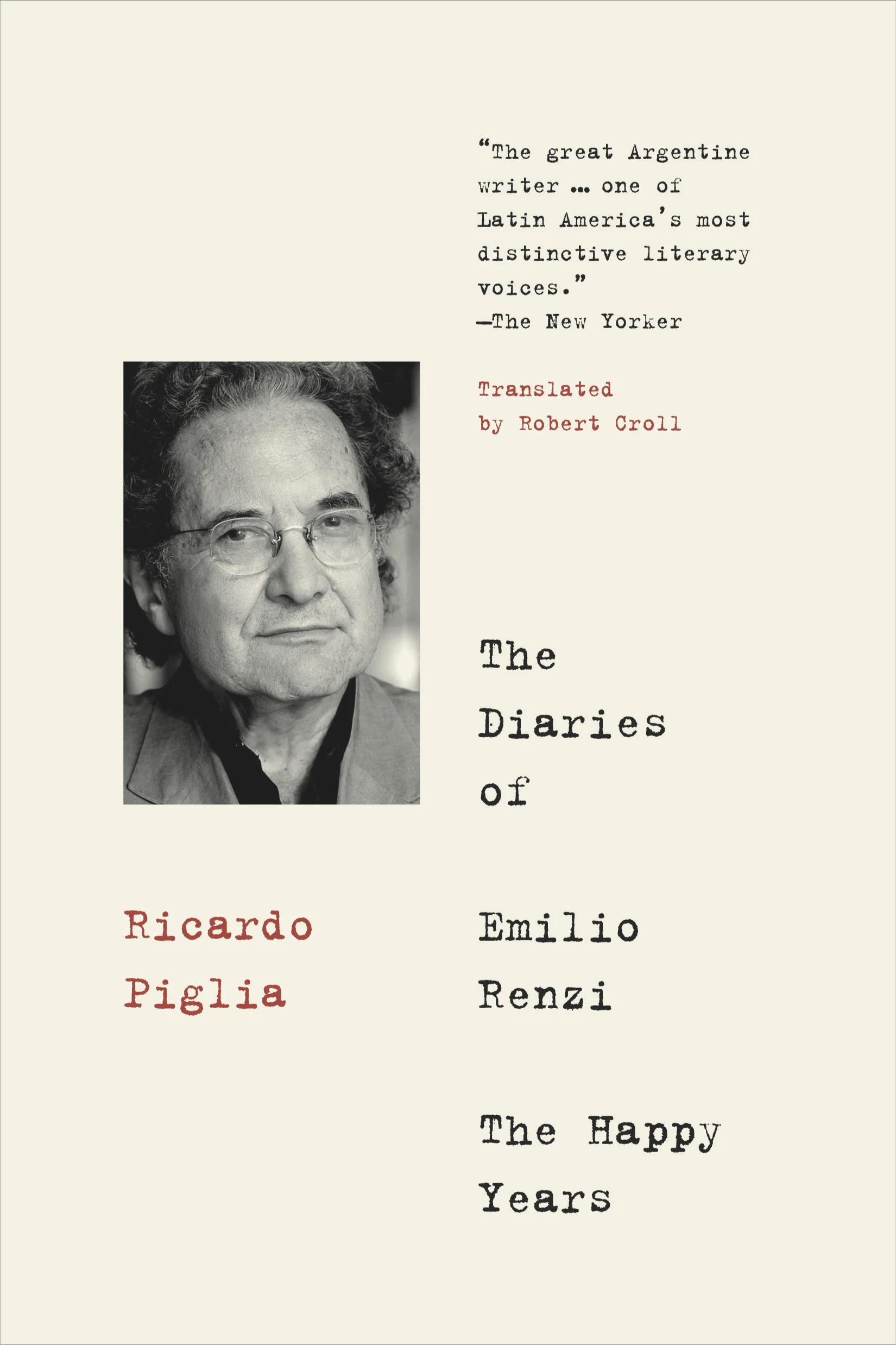
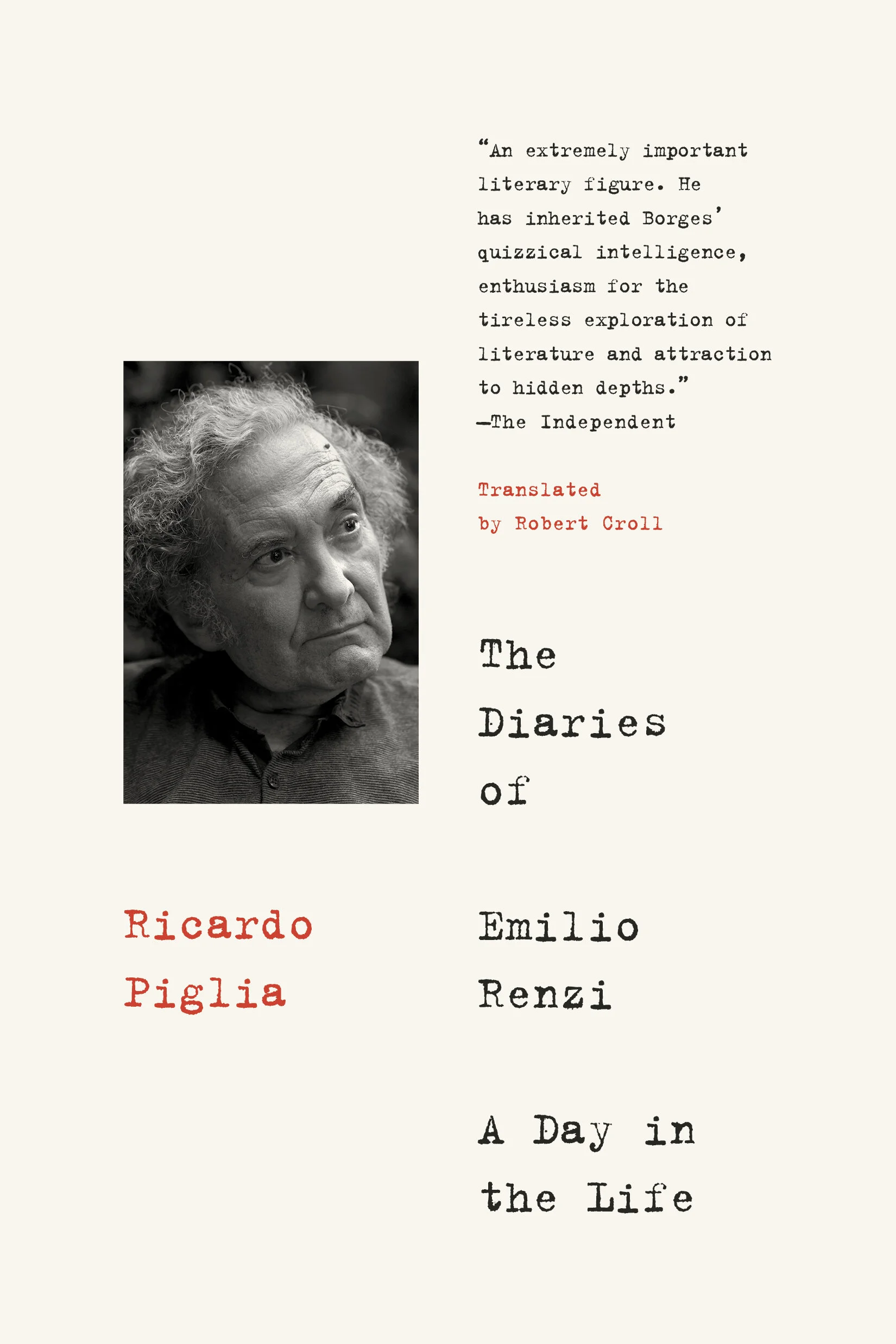
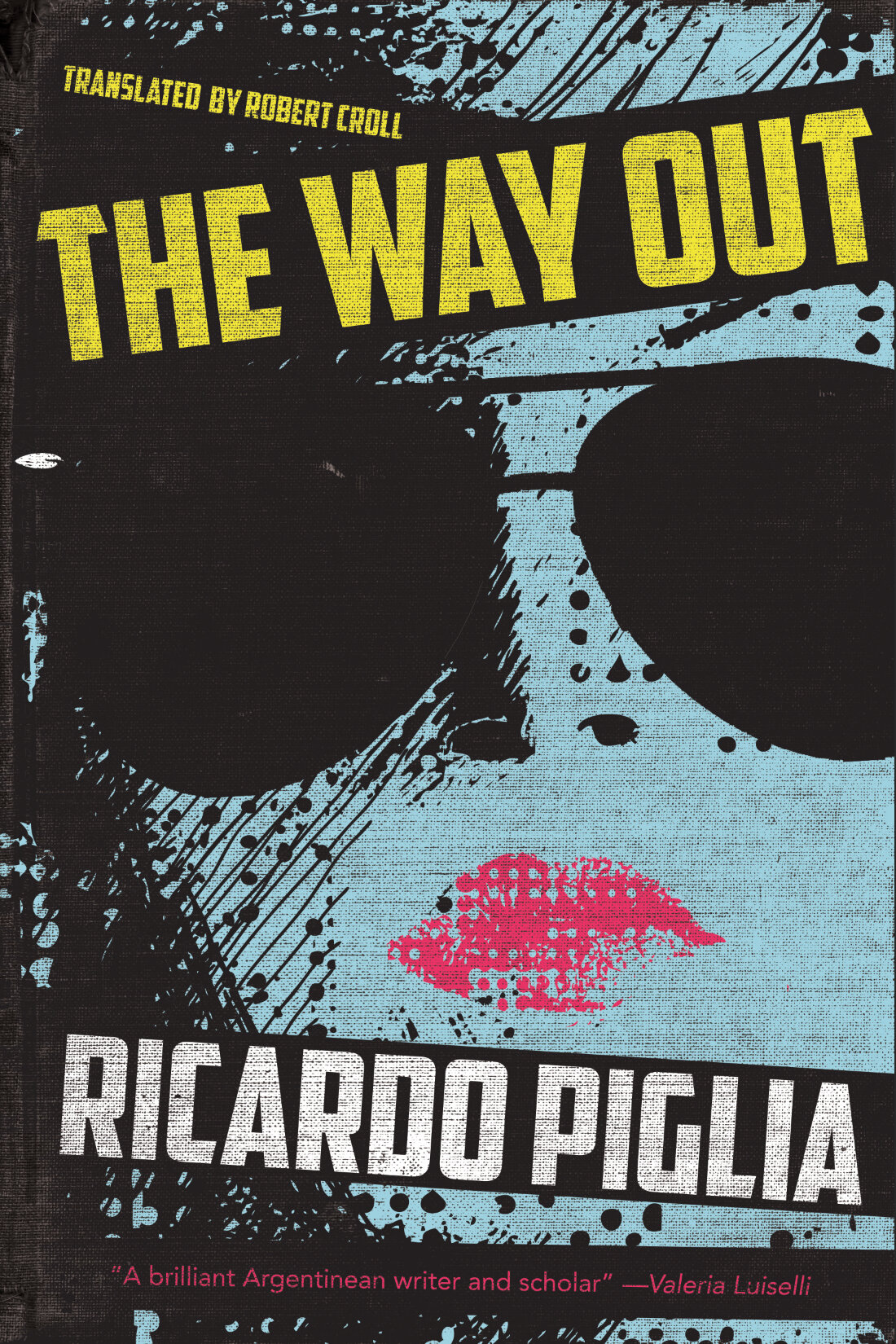
By Ricardo Piglia
Introduction by Ilan Stavans
Translated from the Spanish by Robert Croll
“Cognizant of his impending death, Piglia, the Argentine titan of letters who died of A.L.S. in January, prepared his 327 notebooks for publication in a trilogy…. Splendidly crafted and interspliced with essays and stories, this beguiling work is to a diary as Piglia is to “Emilio Renzi”: a lifelong alter ego, a highly self-conscious shadow volume that brings to bear all of Piglia’s prowess as it illuminates his process of critical reading and the inevitable tensions between art and life.”
—The New York Times Book Review, Editors' Choice
A giant of contemporary Latin American literature, Argentine novelist Ricardo Piglia’s secret magnum opus was a compilation of 327 notebooks that he composed over nearly six decades, in which he imagined himself as his literary alter ego, Emilio Renzi. A world-weary detective, Renzi stars in many of his creator's works, much like Philip Roth's Nathan Zuckerman. But the Renzi of these diaries is something more complex—a multilayered reconstruction of the self that is teased out over intricate, illuminating pages.
As Piglia/Renzi develops as a reader and writer, falls in love, and tussles with his tyrannical father, we get eye-opening perspectives on Latin America’s tumultuous twentieth century. Obsessed with literary giants—from Borges and Cortázar (both of whom he knew), to Kafka and Camus—The Diaries comprise a celebration of reading as a vital, existential activity.
When Piglia learned he had a fatal illness in 2011, he raced to complete his mysterious masterwork as rumors about the book intensified among his many fans. First released in Spanish as a trilogy to tremendous applause, The Diaries of Emilio Renzi cements Piglia’s place in the global canon.