
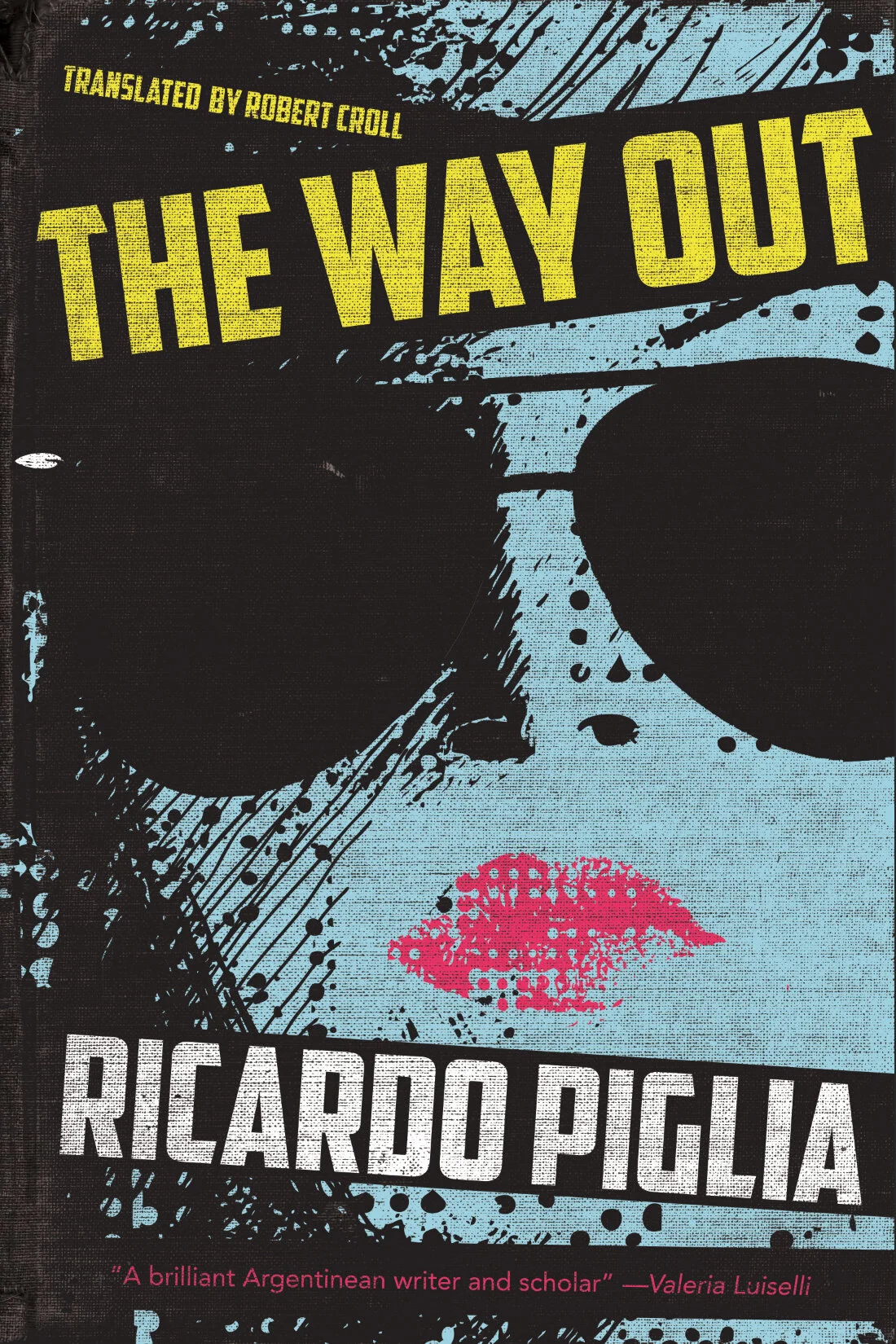
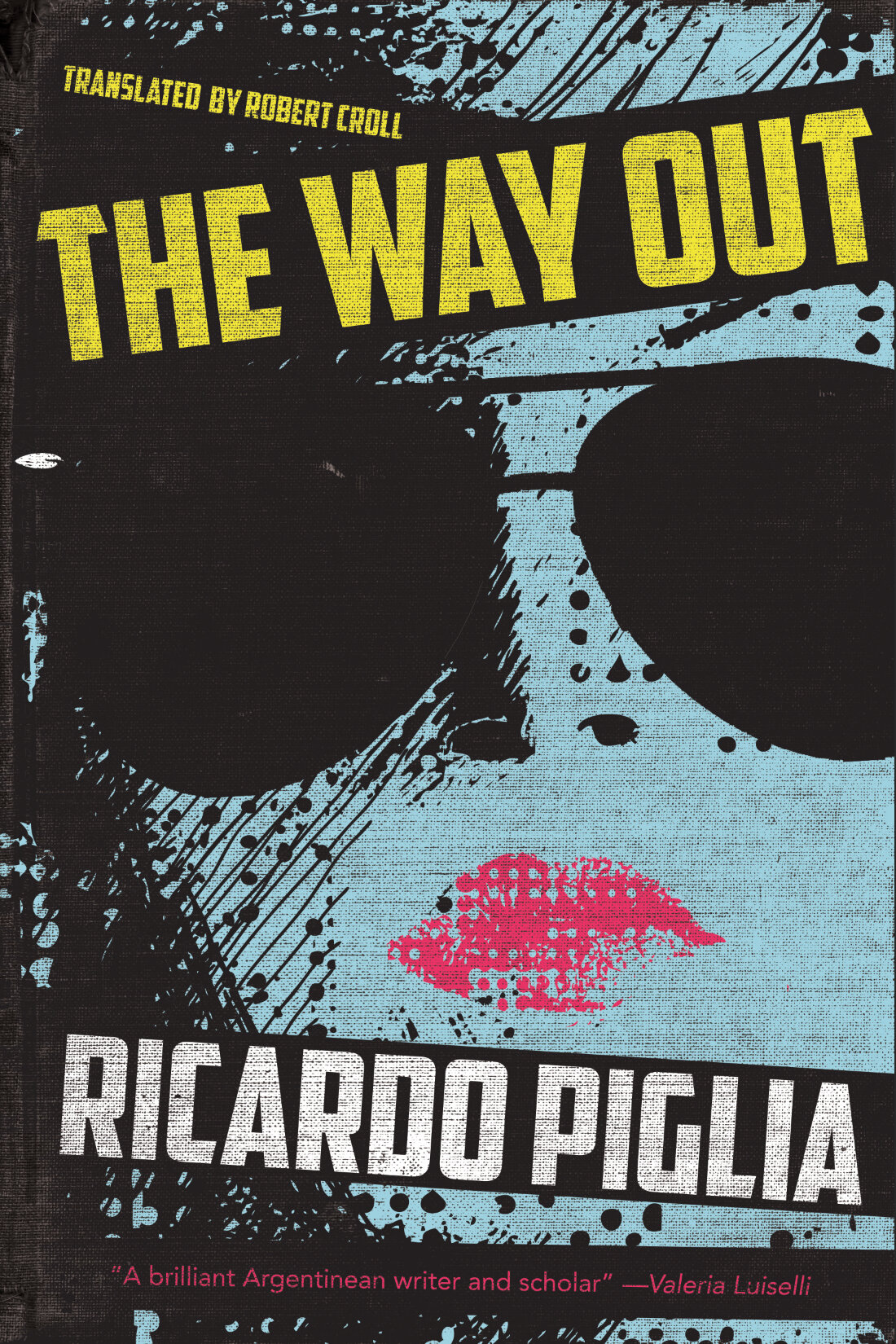
 Image 1 of 1
About the author
Ricardo Piglia (Buenos Aires, 1940–2017), professor emeritus of Princeton University, is unanimously considered a classic of contemporary Spanish-language literature. He published five novels, including Artificial Respiration, The Absent City, and Target in the Night, as well as collections of stories and criticism. Among the numerous prizes he received were the Premio de la Crítica, Premio Rómulo Gallegos, Premio Bartolomé March, Premio Casa de las Américas, Premio José Donoso, and Premio Formentor de las Letras.
About the translator
Robert Croll is a writer, translator, musician, and artist originally from Asheville, North Carolina. He first came to translation during his undergraduate studies at Amherst College, where he focused particularly on the short fiction of Julio Cortázar.
Book Details
Paperback ISBN: 9781632062208 • $18.00
eBook ISBN: 9781632062215
Publication date: August 18, 2020
5" x 8.25" • 288 pages
Other buying options
Praise
“With his trademark mixture of autobiography and fiction, reminiscent of Ben Lerner, Sheila Heti, and Rachel Cusk, Piglia explores themes similar to those of Don DeLillo’s Mao II (1991), regarding the connection between art and violence, in this thoughtful, slight, and mesmeric crime novel by a giant of innovative literature.”
—Alexander Moran, Booklist
“The late Ricardo Piglia is a legend in Argentina, but oft-overlooked in the US; his latest English translation is another mind-bending mix of autofiction and detective novel. It's got all the twists, turns, paranoia, tangents, and weirdness you'd expect if you've encountered his books like Target in the Night and Artificial Respiration — an oddball crime novel that's part of a tradition spanning from G.K. Chesterton to True Detective.”
—Justin Souther of Malaprop’s Bookstore, Buzzfeed News
“Deceptively casual, and considerably bigger in sum than its pieces might suggest… Ida's path, and Renzi's, and Munk's prove surprisingly (and rather disturbingly) relevant in the present-day United States. A fine and interesting work.”
—M. A. Orthofer, The Complete Review
“An offbeat take on the campus novel, full of sex, intrigue, and marginalia.”
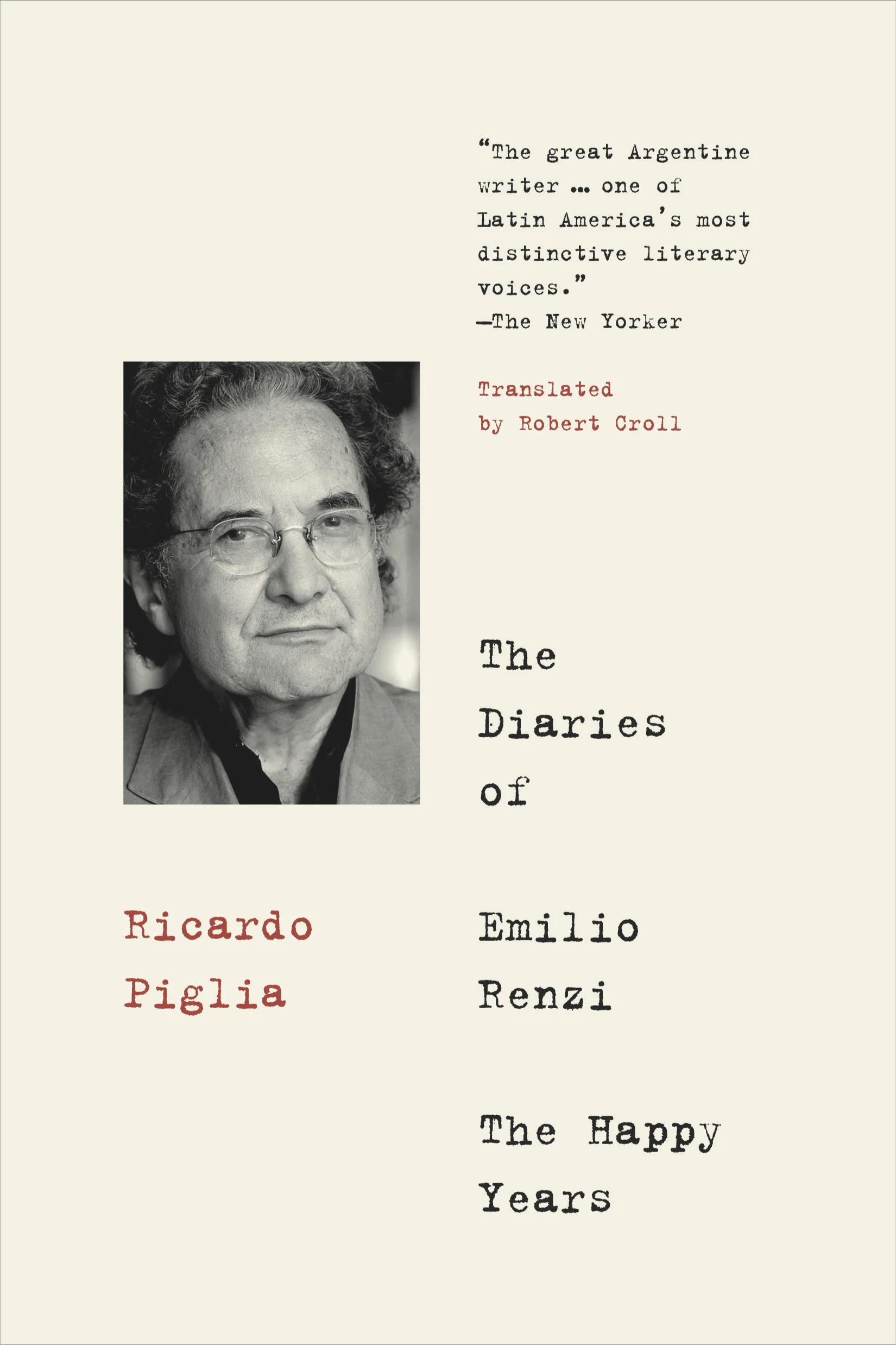
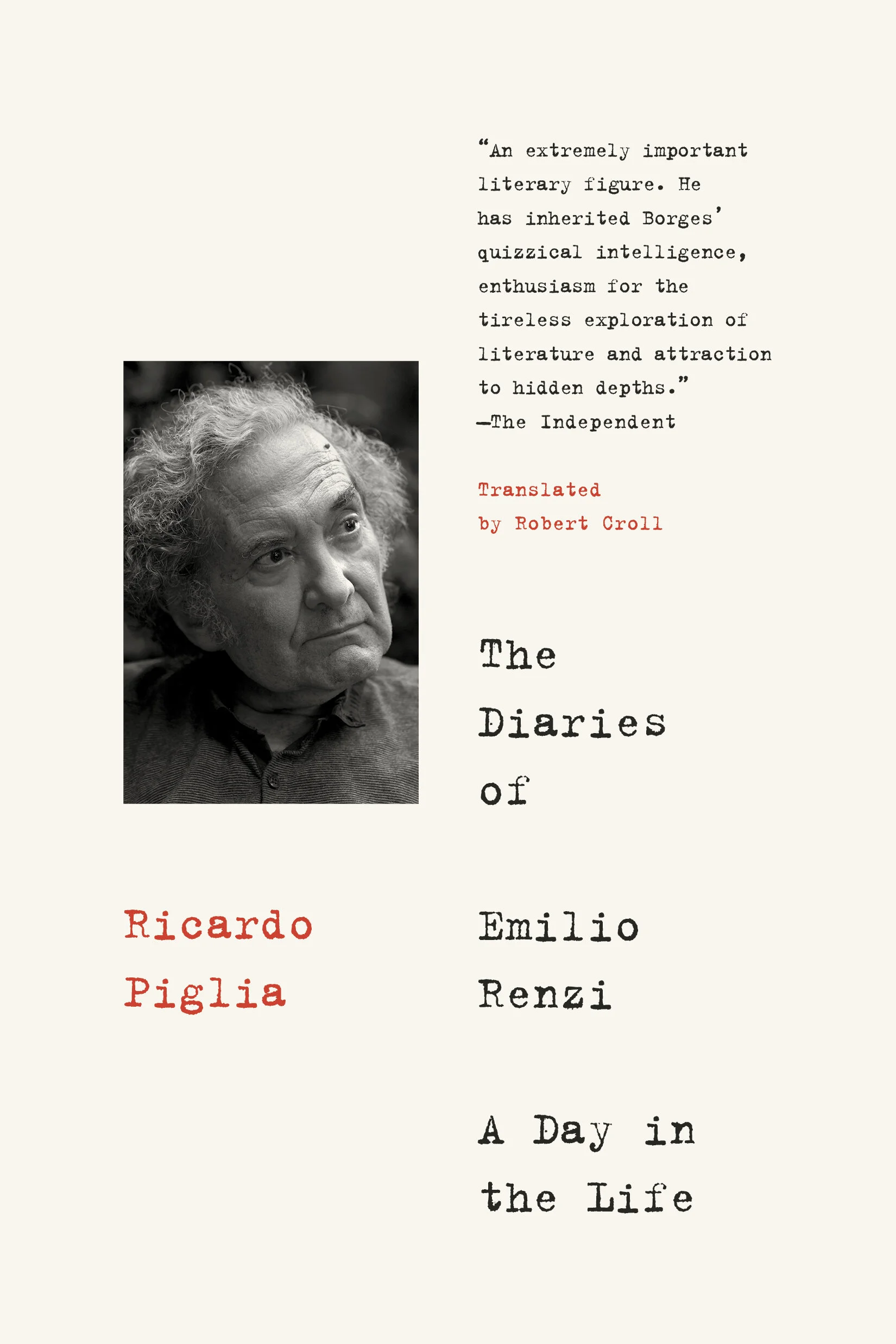
By Ricardo Piglia
Introduction by Ilan Stavans
Translated from the Spanish by Robert Croll
“Cognizant of his impending death, Piglia, the Argentine titan of letters who died of A.L.S. in January, prepared his 327 notebooks for publication in a trilogy…. Splendidly crafted and interspliced with essays and stories, this beguiling work is to a diary as Piglia is to “Emilio Renzi”: a lifelong alter ego, a highly self-conscious shadow volume that brings to bear all of Piglia’s prowess as it illuminates his process of critical reading and the inevitable tensions between art and life.”
—The New York Times Book Review, Editors' Choice
A giant of contemporary Latin American literature, Argentine novelist Ricardo Piglia’s secret magnum opus was a compilation of 327 notebooks that he composed over nearly six decades, in which he imagined himself as his literary alter ego, Emilio Renzi. A world-weary detective, Renzi stars in many of his creator's works, much like Philip Roth's Nathan Zuckerman. But the Renzi of these diaries is something more complex—a multilayered reconstruction of the self that is teased out over intricate, illuminating pages.
As Piglia/Renzi develops as a reader and writer, falls in love, and tussles with his tyrannical father, we get eye-opening perspectives on Latin America’s tumultuous twentieth century. Obsessed with literary giants—from Borges and Cortázar (both of whom he knew), to Kafka and Camus—The Diaries comprise a celebration of reading as a vital, existential activity.
When Piglia learned he had a fatal illness in 2011, he raced to complete his mysterious masterwork as rumors about the book intensified among his many fans. First released in Spanish as a trilogy to tremendous applause, The Diaries of Emilio Renzi cements Piglia’s place in the global canon.